Water-Cooled Continuous Laser Cleaning Machine MW-LCW1500 to 6000: Strip Heavy Rust and Paint Over Full Shifts

The MAXWAVE MW-LCW is a water-cooled continuous laser cleaning machine at 1500 to 6000 W, built for fabrication plants, steel-structure shops and surface preparation crews who clear heavy rust, thick paint and scale from thick plate every working day.

A continuous 1080 nm fiber laser covers a wide band on each pass and takes off heavy layers at area rates. A built-in chiller carries the heat away from the laser source, so the result stays steady from the first hour of the shift to the last, in hot workshops and tropical climates too.

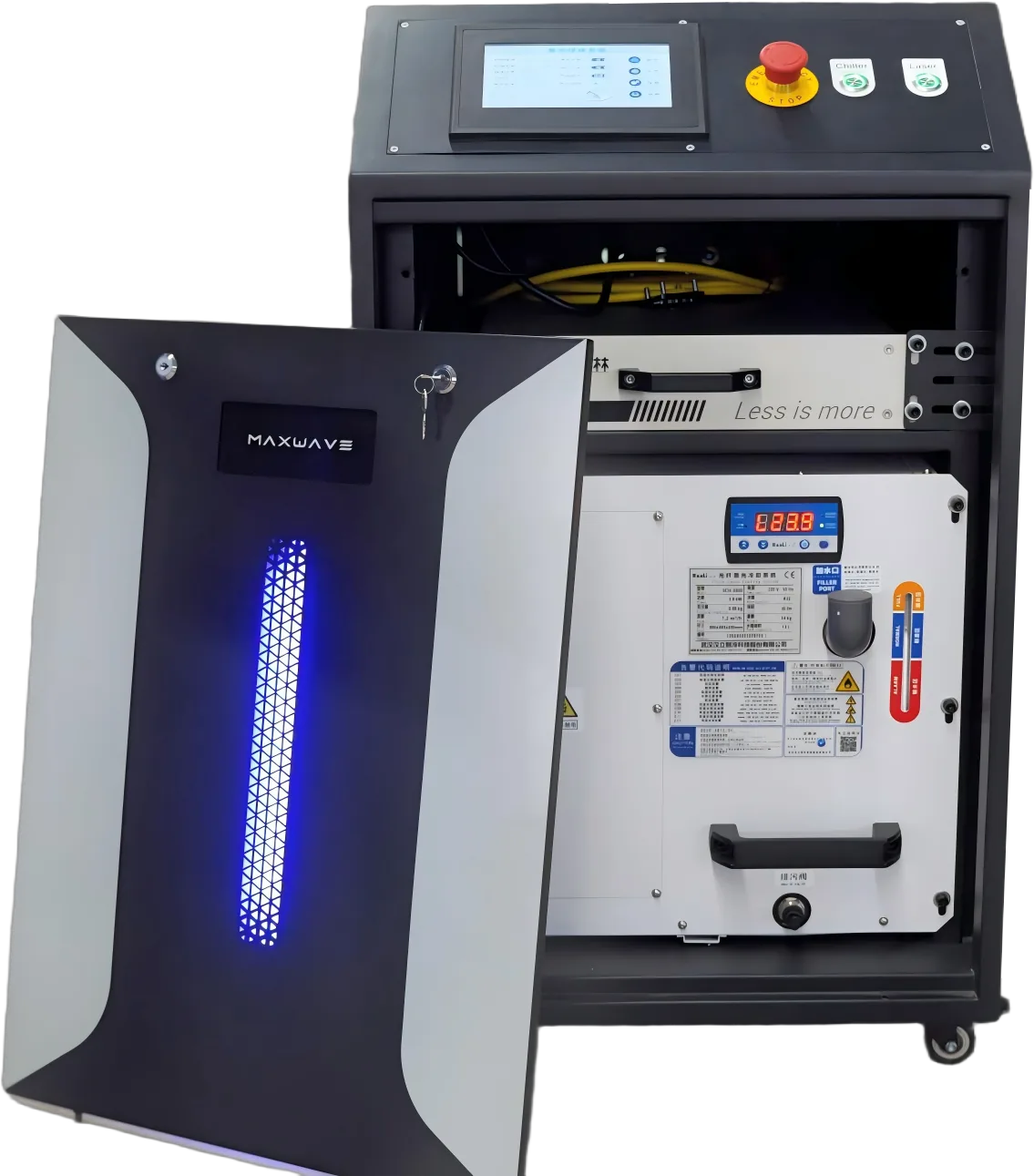
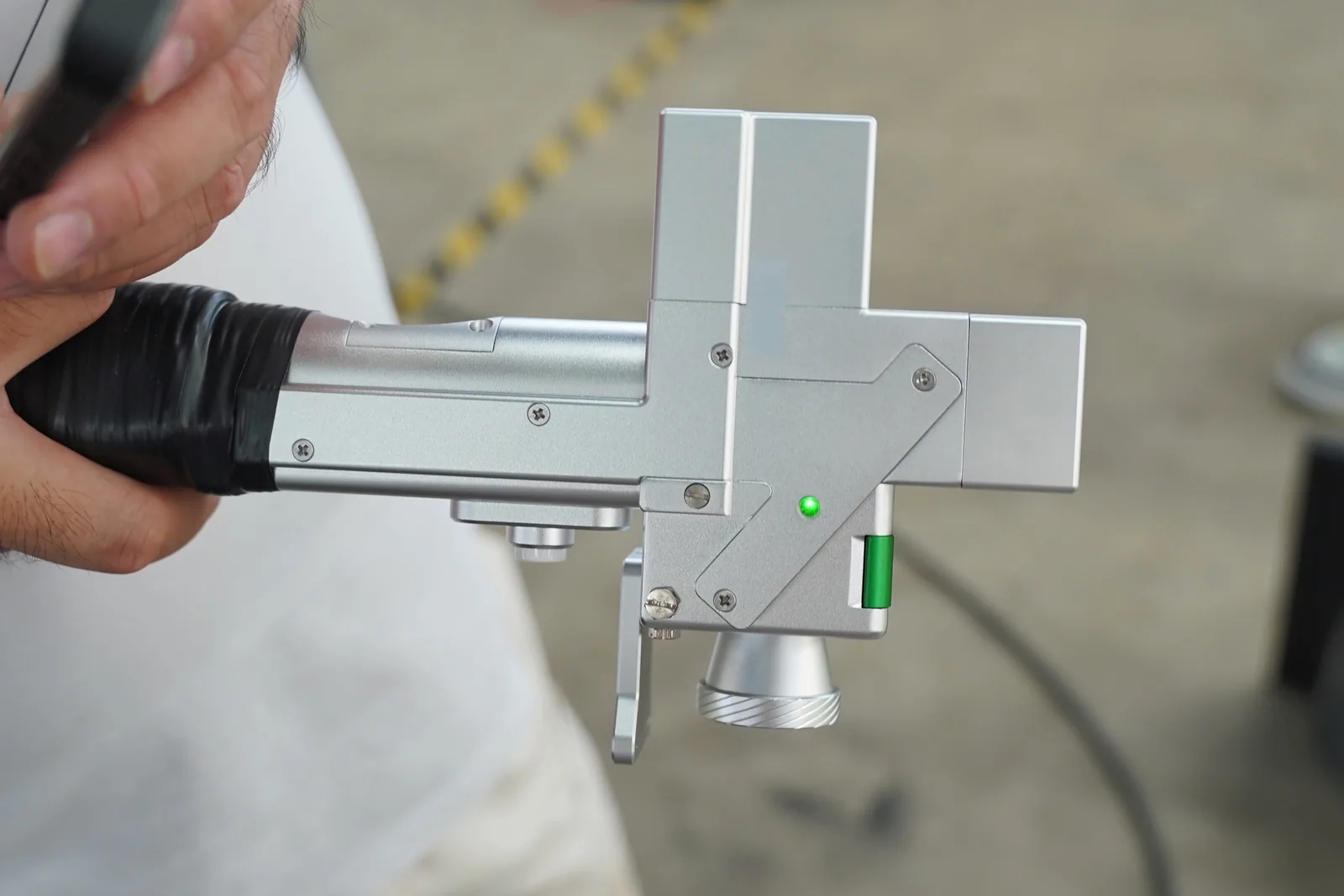
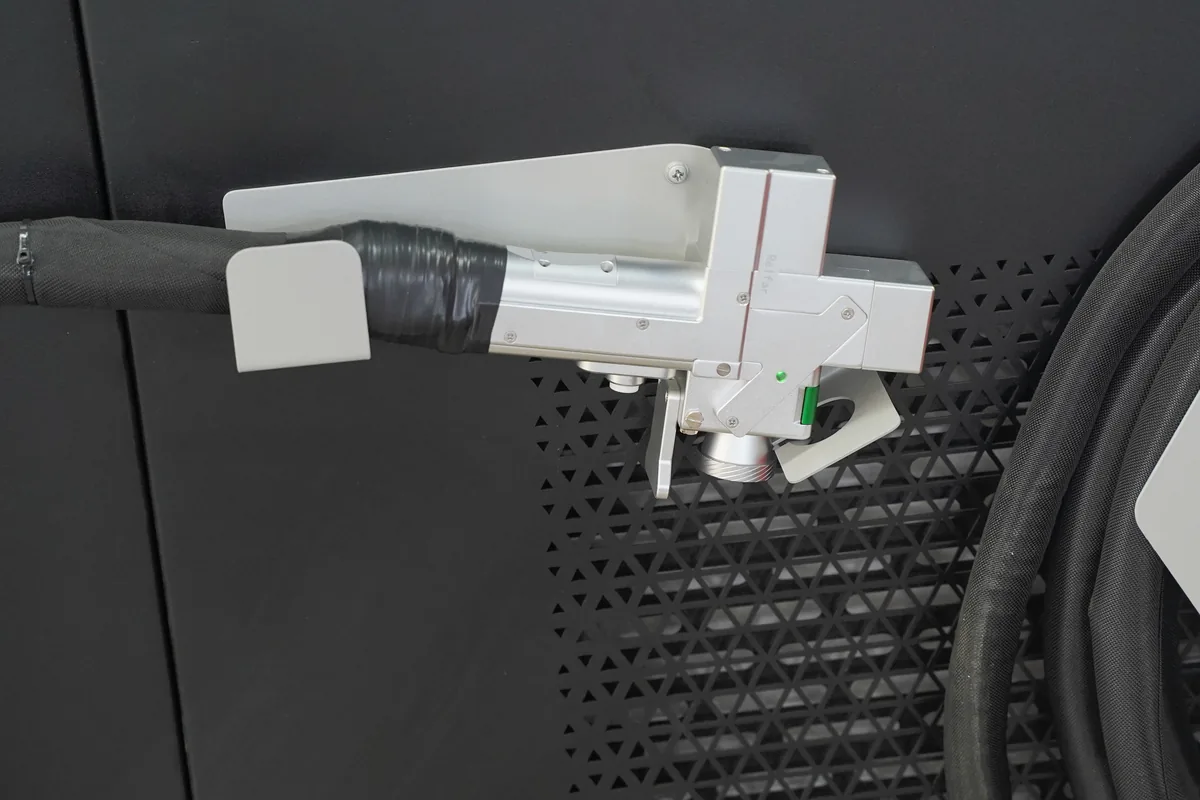
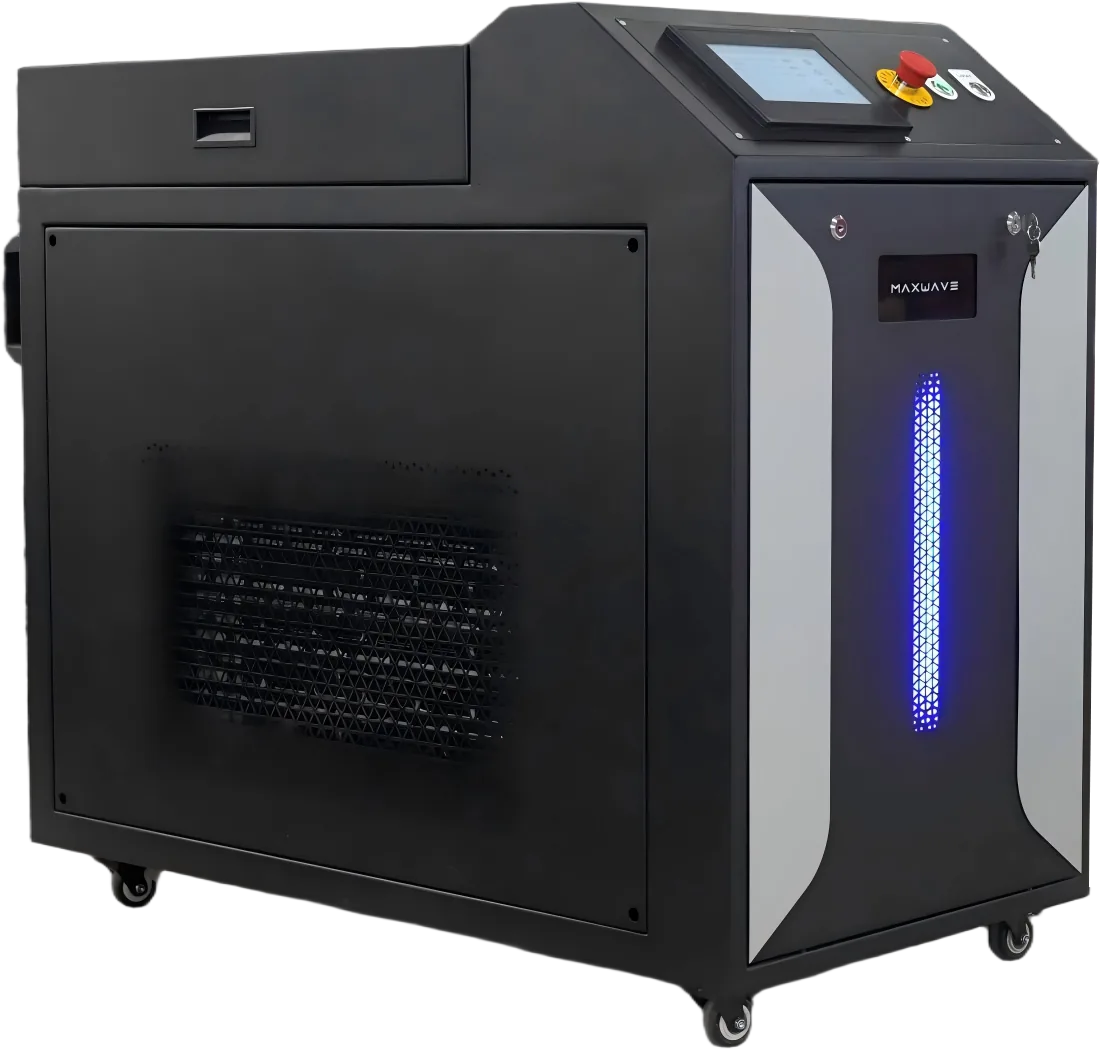
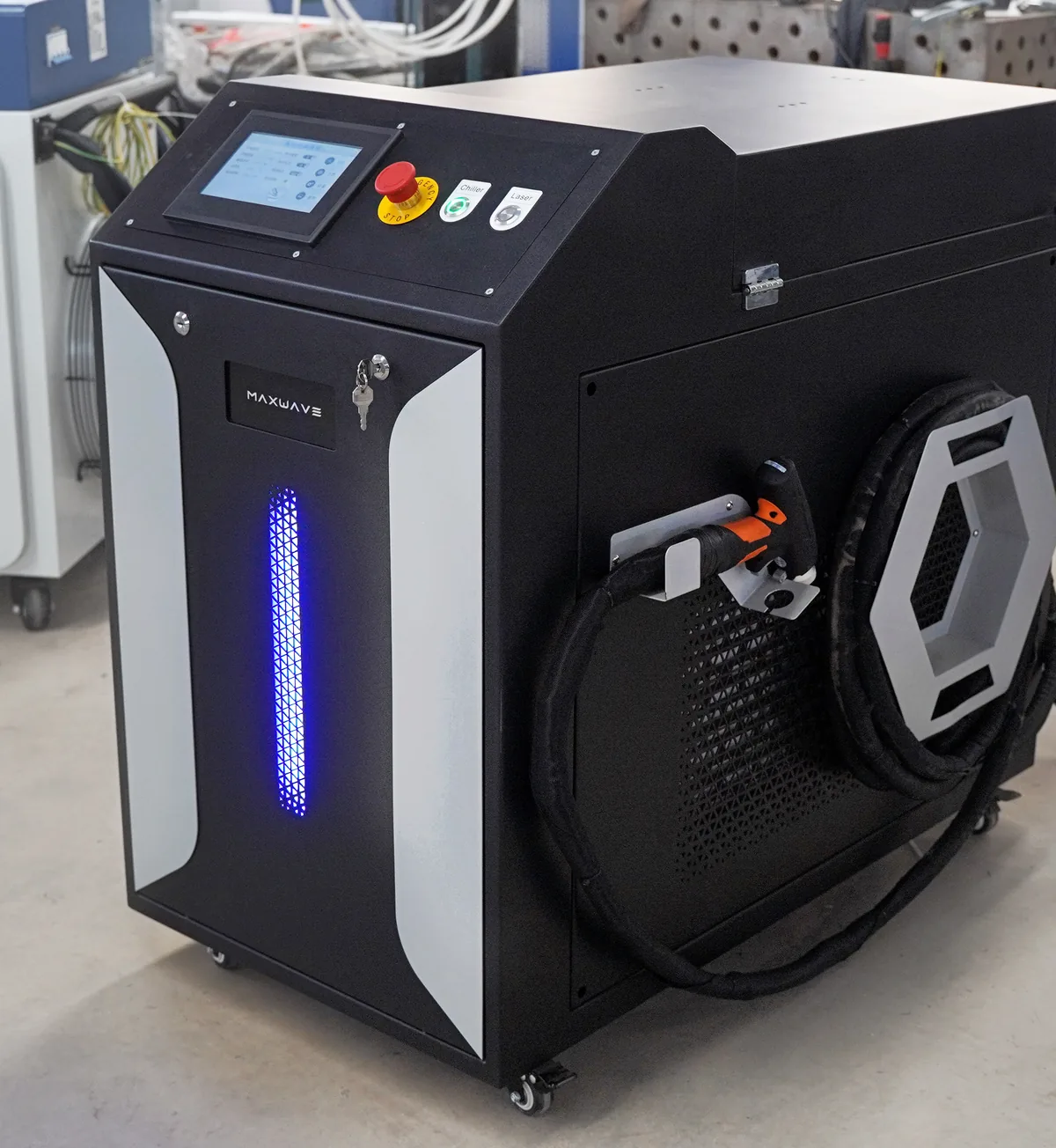
MAXWAVE MW-LCW water-cooled continuous laser cleaning machine in the workshop, fiber coiled on the hexagonal holder and the cleaning head docked
  • 1500 to 6000 WContinuous fiber laser, 1080 nm
  • 10 to 20 m²/hPaint and coatings, reference rate
  • <1.5%Power stability (25 °C, 2 h)
  • 6 modesWith a process library

Cleaning Rates on Paint, Rust and Oxide

The MW-LCW is sized for square meters per hour. These are the reference rates for the line.

  • 10 to 20 m²/hPaint, primer, coatingsOrganic layers at 1500 to 6000 W
  • 5 to 10 m²/hRust, oxide, scaleInorganic layers at 2000 to 6000 W
MW-LCW reference cleaning rates by layer and power, with the source of each figure
LayerPowerReference rateSource
Organic layersPaint, primer, coatings1500 to 6000 Wapprox. 10 to 20 m²/hProduct data
Inorganic layersRust, oxide, scale2000 to 6000 Wapprox. 5 to 10 m²/hProduct data
Typical exampleRust removal1500 Wapprox. 4 to 8 m²/hReal cleaning case
Typical exampleContinuous cleaning case3000 Wapprox. 4 to 8 m²/hReal cleaning case

Each case reflects the layer on that job, so a 3000 W case and a 1500 W case can land in the same range. Treat all four as guide figures for comparing options: they change with the steel, the layer and the settings, and they are not a figure guaranteed on your part.

That wide, continuous band is where the output comes from. We place the MW-LCW on thick steel, where the part itself is low in value and output is the priority.

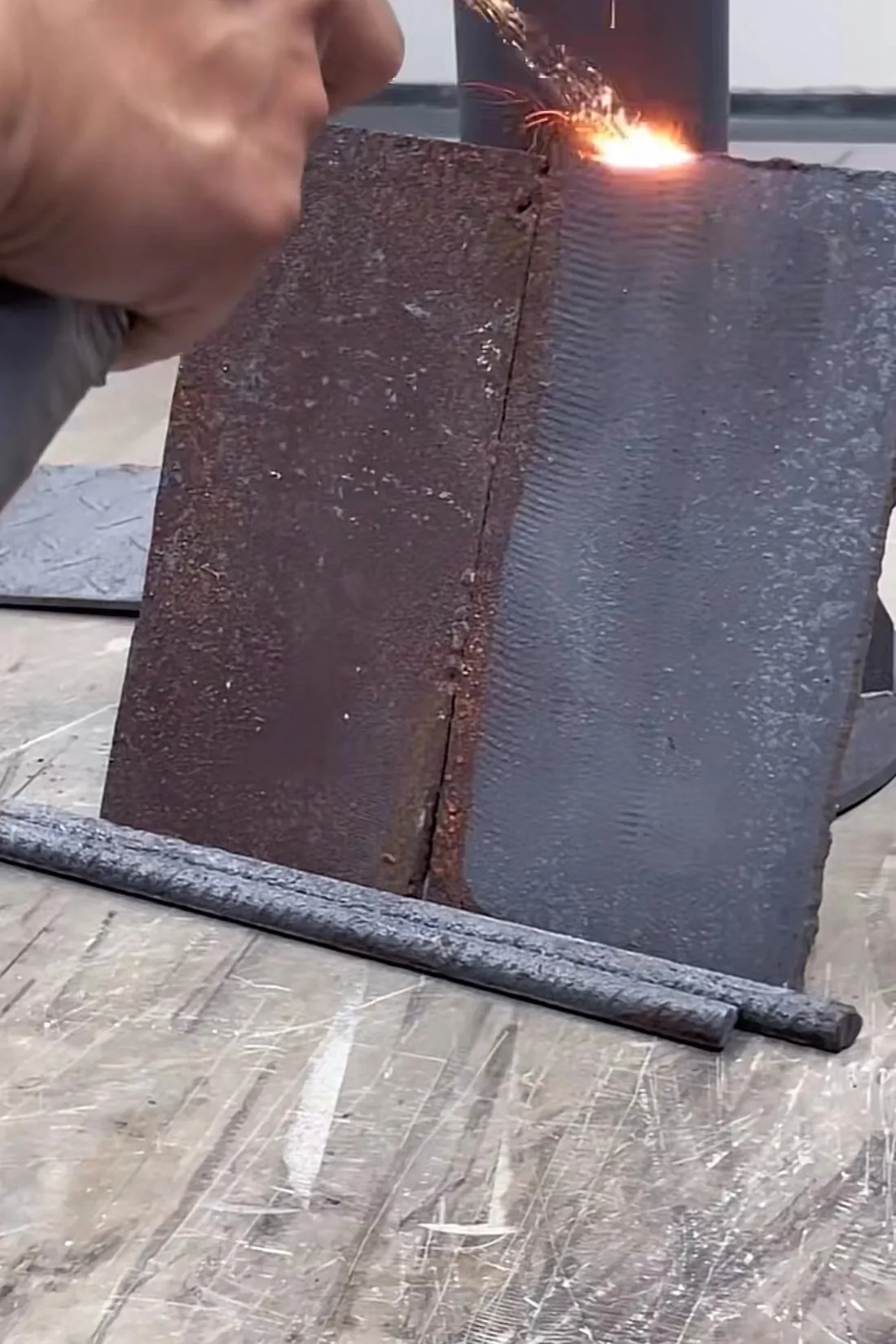
Laser cleaning heavy rust from a thick steel plate, a wide band of bare metal down the middle
Heavy rust on thick plate, cleared in a wide band

Plate Thickness and Working Limits

Continuous light puts more heat into the part than pulsed light. On thick plate, beams and heavy sections, the mass of the steel takes that heat up and the part stays as it was.

Limit
Thin sheet
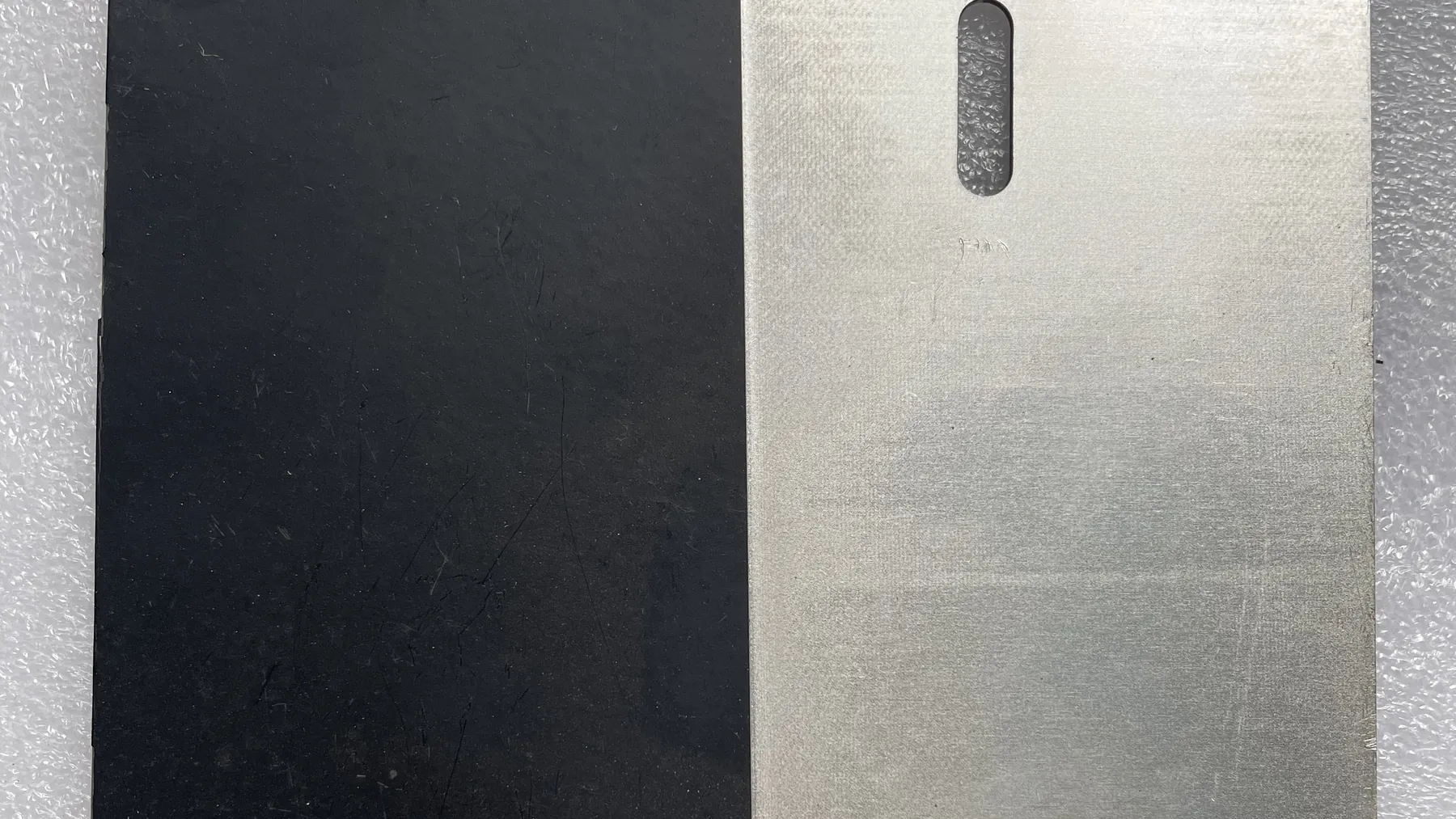
On sheet below 4 mm, continuous-laser paint removal may distort the panel.
Limit
Residue
After rust or scale removal, a small amount of powder may stay on the surface.
Limit
Finished parts
Machined faces and parts near final dimension take the heat badly.
Steel sheet with black coating on one half and laser-cleaned bare metal on the other

Thin sheet and finished surfaces go to the pulsed line

For thin sheet, precision parts and finished surfaces, the air-cooled pulse laser cleaner is the machine we recommend. A plant with thick frames and thin covers in the same job list can run one machine of each type, and we quote them together.

Air-cooled pulse laser cleaner
Cabinet Build and Electrical Components

A machine that runs full shifts on a fabrication floor gets bumped, heated and powered up every morning. Each item below is fitted for that, and each one has a direct effect on your uptime.

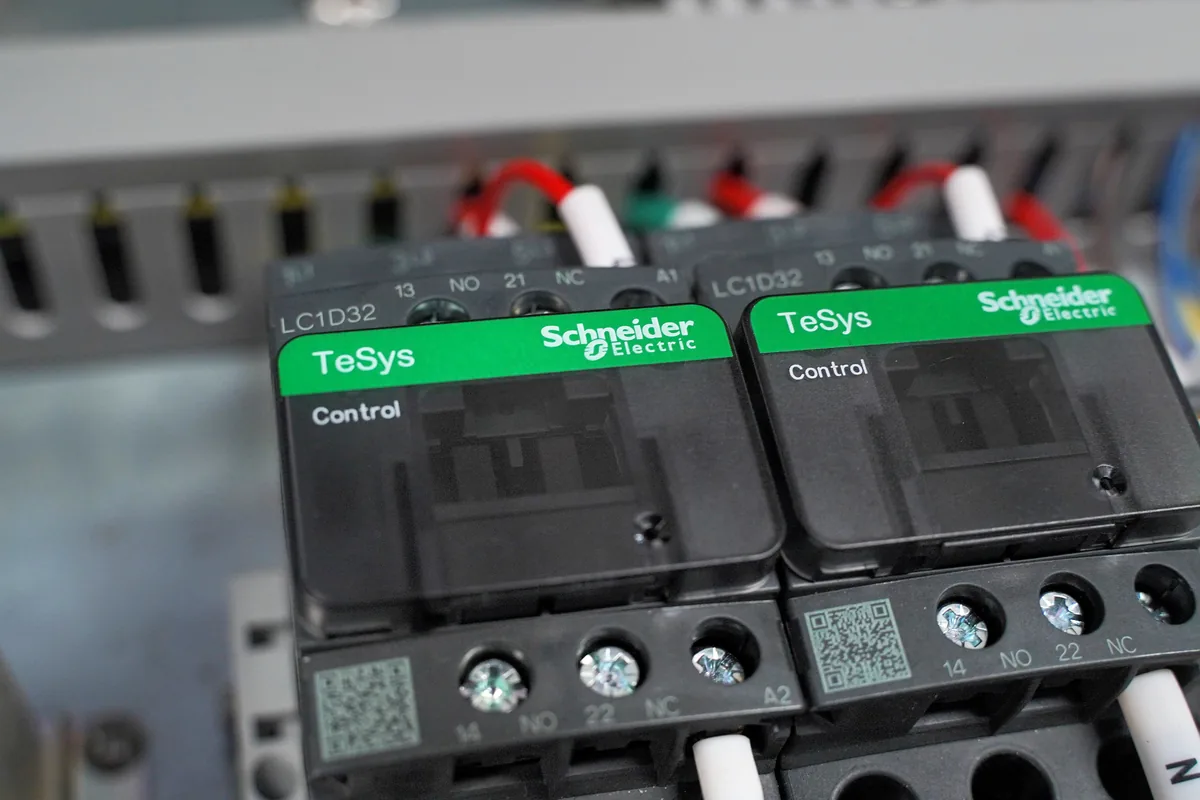
Schneider TeSys contactors fitted inside the MW-LCW cabinet
A · Schneider contactors
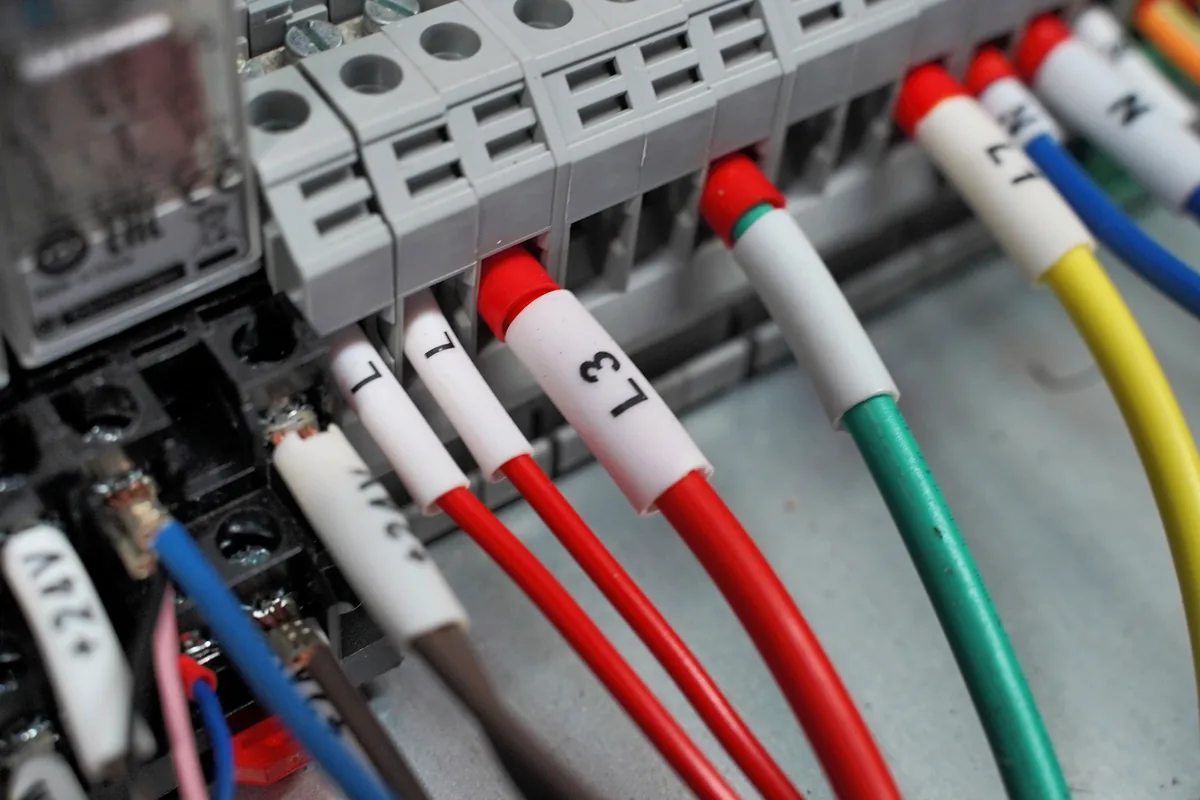
Numbered wires on the terminal block inside the MW-LCW cabinet
B · Numbered wiring
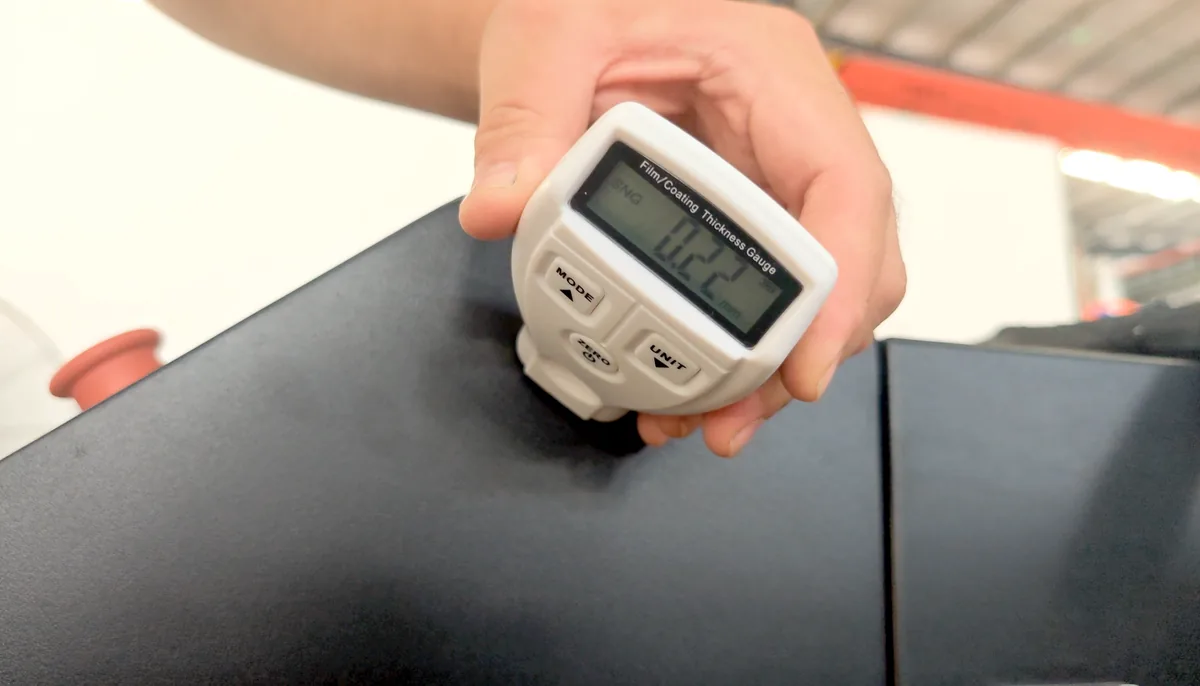
Coating thickness gauge measuring the paint on the MW-LCW cabinet steel
C · Paint thickness check
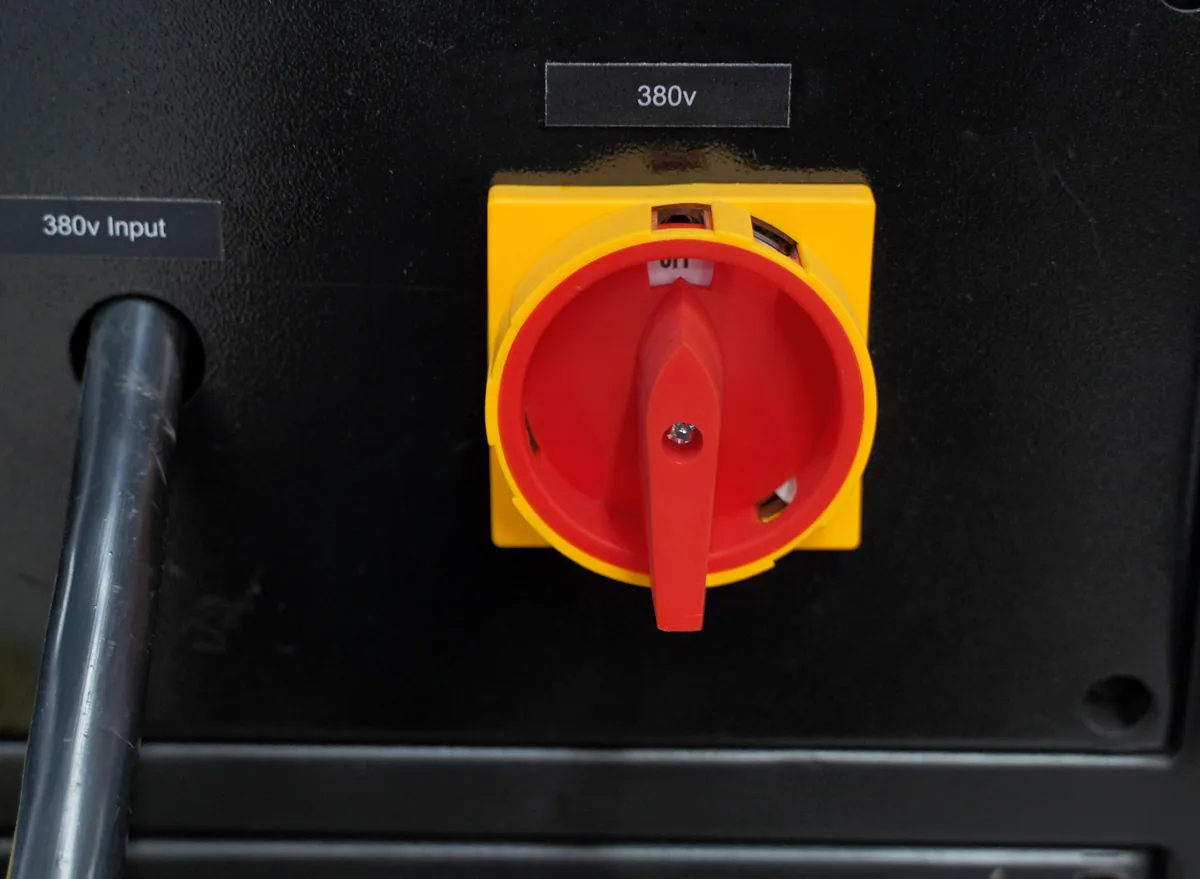
Main rotary switch and 380 V input on the MW-LCW cabinet
D · Main switch, 380 V input
MW-LCW cabinet and electrical configuration: what each part does and what you gain
ConfigurationWhat it doesWhat you gain
1.8 mm sheet-metal cabinetResists deformation when the cabinet is knocked or movedThe cabinet keeps its shape on a busy fabrication floor
A-grade paint finish, 80 to 120 µm CA thick, even coat over the cabinet steelThe cabinet surface holds up to daily workshop use
Schneider relays and contactors, three to five per machine ASwitch power to the machine's circuitsClean starts and safe shutdowns, shift after shift
Schneider combination switch, metal switch and circuit breaker DMain switching and overload protectionThe circuit trips on overload
Genuine Mean Well power supplyFeeds steady voltage to the laser source and controlsStable supply behind the stable output figure
4 mm² five-core copper internal wiring, purity ≥99.99%Carries current inside the cabinet with low resistanceLess heat in the wiring during long runs
Numbered wires, routed by our engineers BEvery wire carries a labelYour technician and our remote engineer trace a circuit by its number during maintenance

These parts are what the reinforced cabinet configuration means on the MW-LCW. Spare parts and routine maintenance are covered on the support and maintenance page.

Controls, Status Lights and Alarms

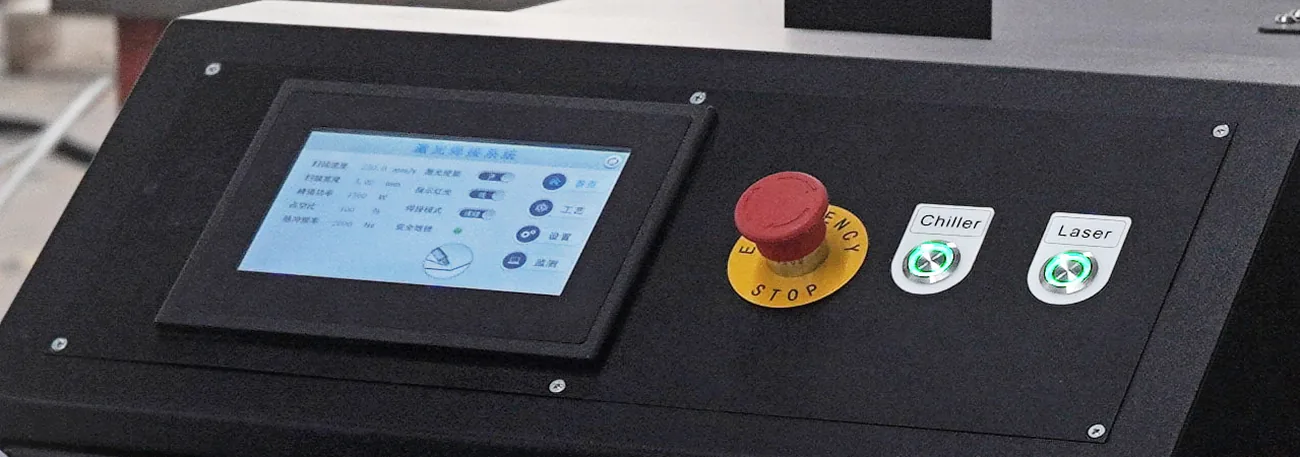
MW-LCW control panel with touch screen, emergency stop, chiller and laser switches
Touch screen, emergency stop, chiller and laser switches

The controls tell the operator, and anyone walking past, what the machine is doing.

6Cleaning modes

Mode for the part and the layer

The operator selects the mode for the part and the layer at the start of the job.

LIBProcess library

Proven settings saved and recalled

Settings proven on one job are recalled for the next batch, so a second operator or a second shift starts from the same setting.

Status light

Three colors, three operating states

Each color marks one of the machine's three operating states, so a supervisor reads the status at a glance from anywhere in the bay.

AIRPressure alarm

Light and air-pressure alarms

A drop in air pressure to the head sets off a light alarm, so a lost air supply is flagged at once.

3 minAutomatic exit

Leaves working mode when unused

If nobody uses the machine for 3 minutes, it leaves working mode by itself, so a head left on the bench during a break does not stay armed.

Water Chiller for Full Shifts and Hot Climates

A continuous laser at full power produces steady heat. The MW-LCW chiller has 3.8 kW of cooling capacity, with a built-in water tank and an external fan, and it carries that heat away from the laser source for as long as the machine runs.

<1.5%Power stability on the line, measured at 25 °C over 2 hours. A setting saved in the process library gives the same result late in the shift as it did at the start.
MW-LCW cabinet with the front door open, showing the water chiller built in below the laser source
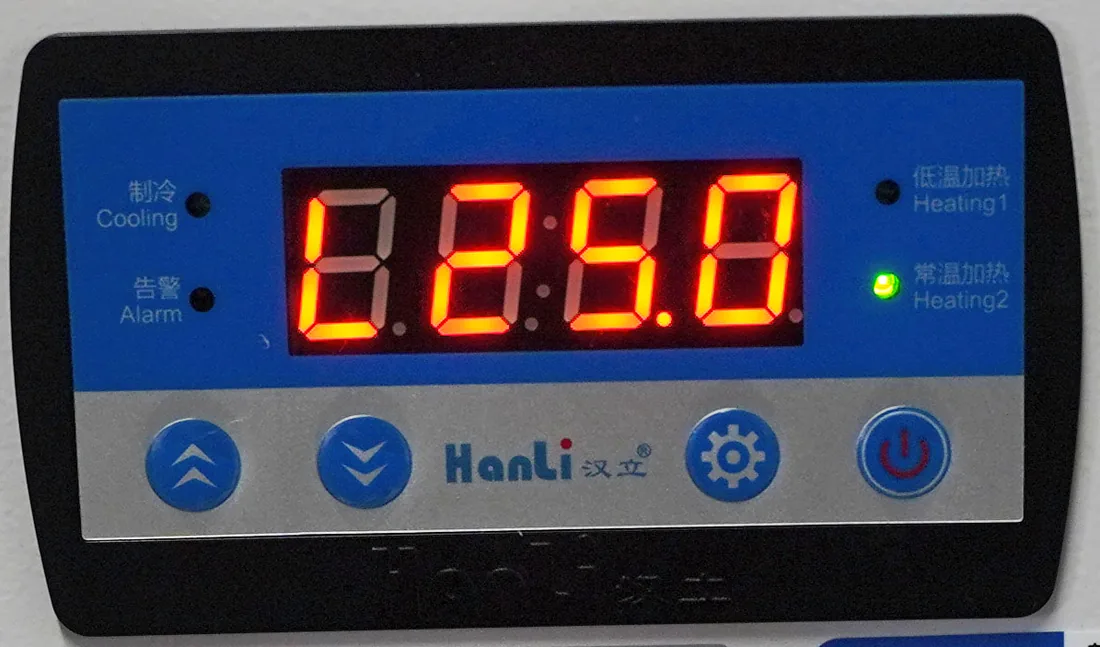
Water temperature display on the MW-LCW chiller
Chiller water temperature display

We recommend the water-cooled line for

  • Full shiftsLong, continuous cleaning runs on thick parts.
  • Hot climatesTropical countries and hot workshops.
  • Steady workplacesA fixed bay or a production line, where the machine stays in place and the parts come to it.
  • Output targetsJobs where cleaning rate is the priority.

At 166 kg, the MW-LCW is a fixed-bay machine. For jobs that move between sites, air-cooled units start faster and need no chiller; the trade-offs are on the pulsed vs CW laser cleaning machine page.

MW-LCW Technical Specifications

MW-LCW laser power and supply voltage by model
ItemMW-LCW1500 to 6000
Laser power1500 to 6000 W
Supply voltage380 V on the 3000 W model; confirmed for your site with the quote on 1500 W and 2000 W

Common to all three models

Laser
Continuous / modulated fiber, 1080 nm
Power stability
<1.5% (25 °C, 2 h)
Cooling
Water chiller, 3.8 kW cooling capacity
Gas protection
Compressed air to the cleaning head
Cleaning width
(100 to 600) × (100 to 600) mm
Cleaning modes
6, with a process library for saved settings
Fiber length
15 m, or custom
Cleaning head
0.7 kg
Machine size and weight
100×55×92 cm, 166 kg
Packed size and weight
118×61×138 cm, 250 kg
MW-LCW continuous laser cleaning machine cabinet seen from the side, 100 by 55 by 92 cm
MW-LCW cabinet, 100×55×92 cm

Typical Applications for the MW-LCW

The jobs we match the MW-LCW to, each on thick steel or heavy material where area rate counts.

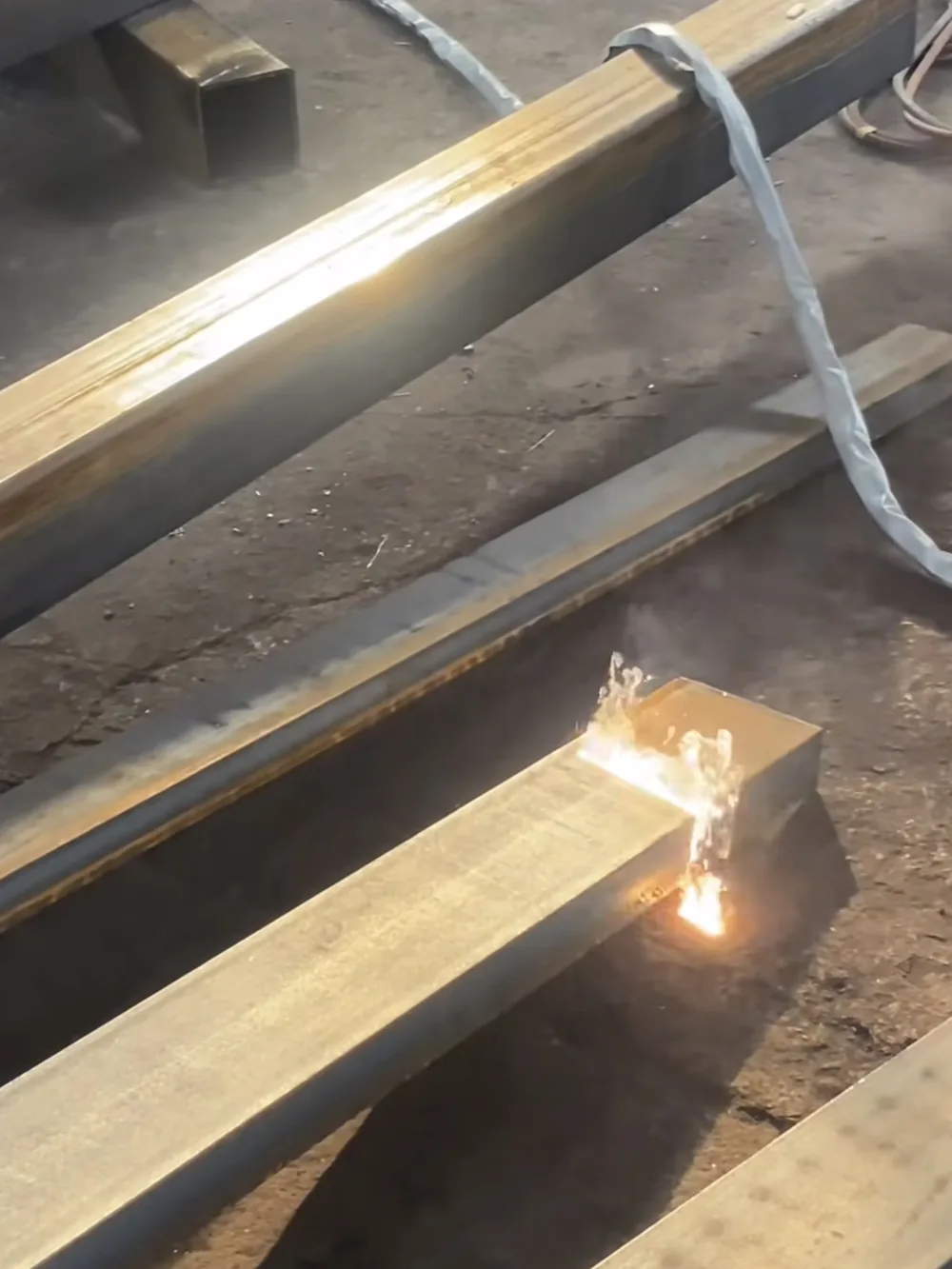
  • Laser removing rust from steel tube members laid out for fabrication

    Steel structures and plate pre-treatment

    Removing rust and mill scale from beams, frames and plate before welding or painting.

    Laser rust removal
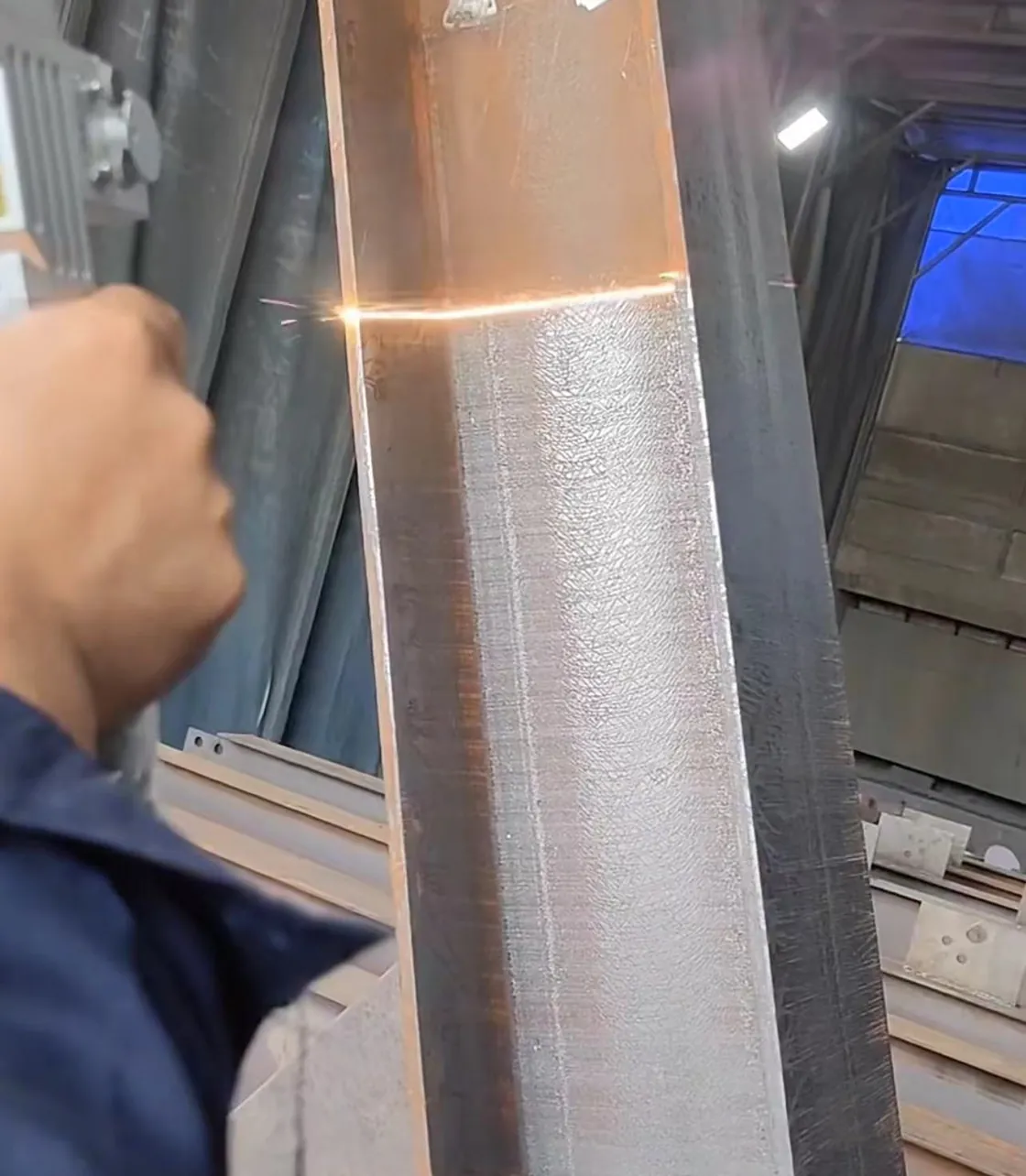
  • Continuous laser line cleaning the broad face of a steel H-beam in a fabrication shop

    Port, marine and large-area steelwork

    Maintenance cleaning on large standing steel, such as port and marine structures, where square meters per hour decide the job.

    Laser rust removal
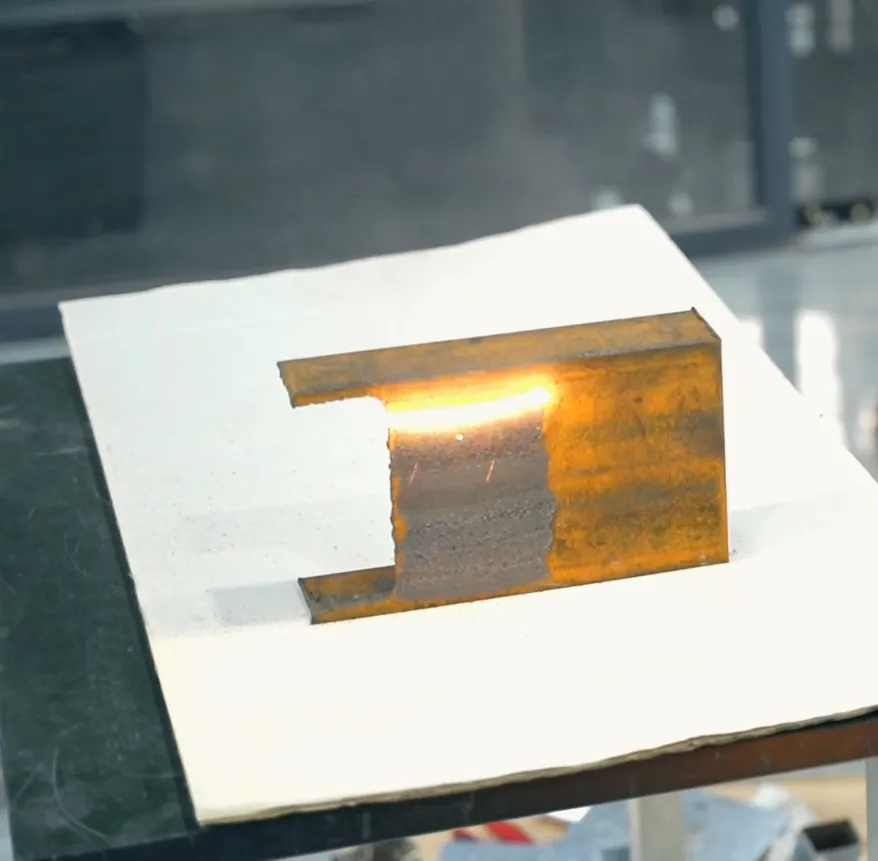
  • Laser cleaning oxide and rust from a thick steel block

    Large-area oxide and scale

    Clearing oxide scale from thick plate and heavy sections.

    Laser oxide removal
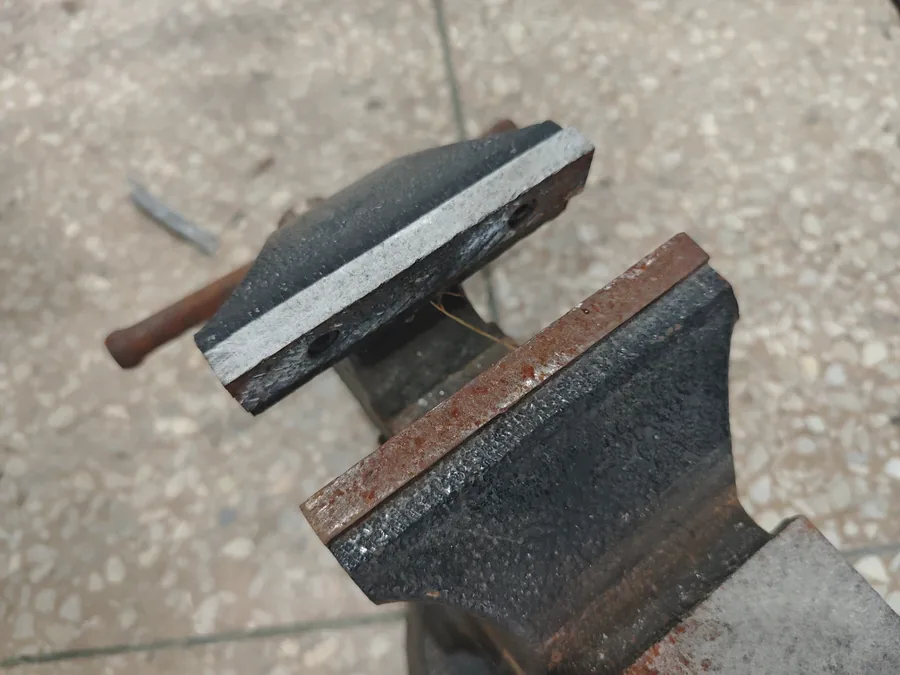
  • Heavy steel vise with a laser-cleaned strip through the rust

    Large metal tools and fixtures

    Removing rust and deposits from large tooling, fixtures and vises.

    Laser rust removal
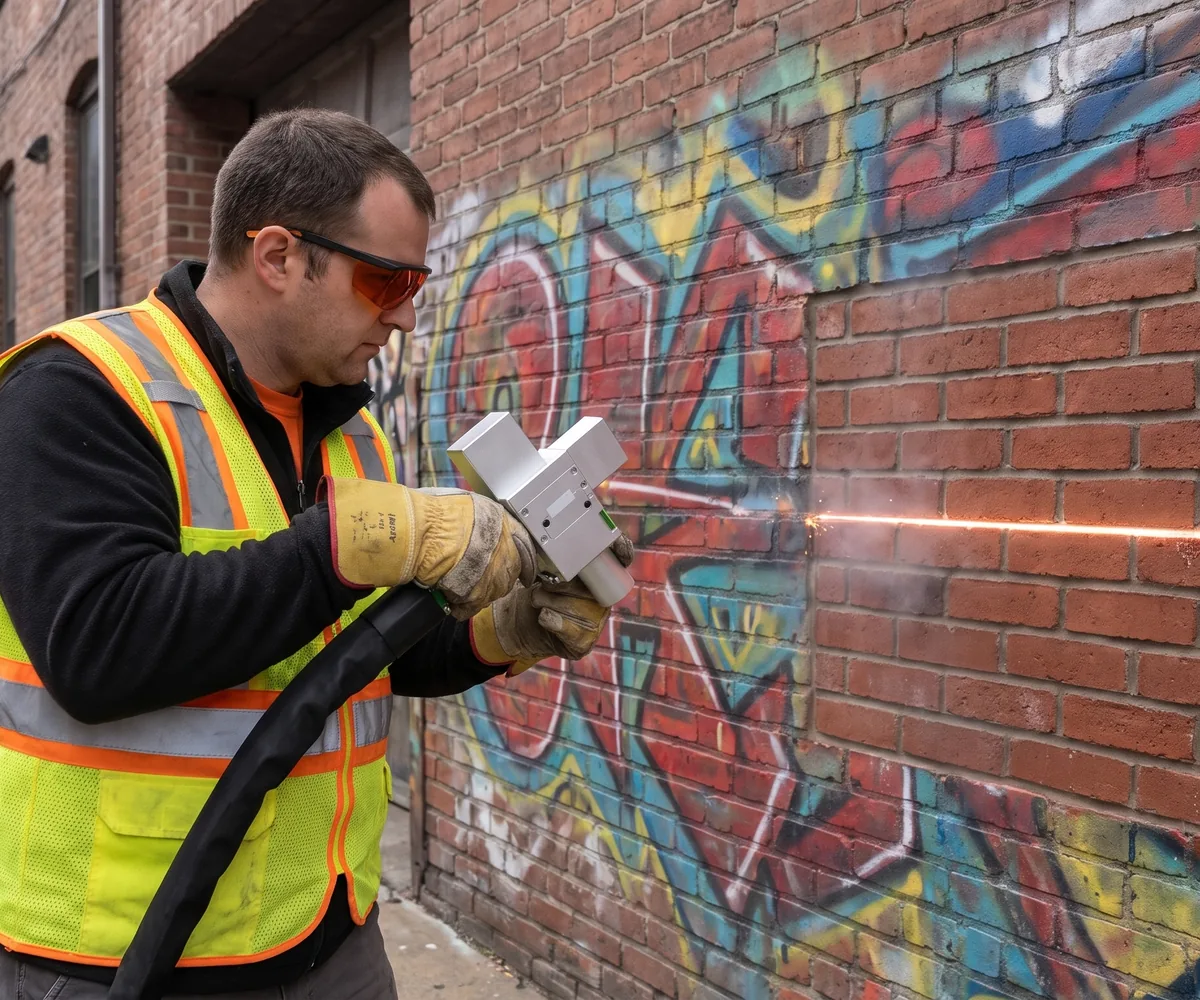
  • Operator in a safety vest removing graffiti from a brick facade with a handheld laser cleaning head

    Building facades, brick and stone

    Cleaning building facades, brick and stone, such as graffiti removal.

Delivery, Laser Safety and Fume Extraction

Before dispatchAssembled, commissioned, tested
Each MW-LCW goes through assembly, commissioning and final testing, with pre-shipment or remote video inspection available, as set out on the About Us page.
At your siteClass 4 laser
At this power the cleaning zone needs barriers against reflected light, and the fume is extracted where it forms.
After deliveryEngineer support
Installation instructions, operating and maintenance videos and remote guidance. Every machine has its own equipment record, so a service request starts from your unit's history. Training, daily care and spare parts are on the support and maintenance page.

To compare the rates against your own workload, send the material, the layer, its thickness and a photo with your quote request.

Get a Quote for an MW-LCW Continuous Laser Cleaner

An engineer replies with the power level and options for your job.

Five details for a power recommendation

  • Steel and thickness: the steel grade and plate thickness.
  • Layer: the coating or rust on it.
  • Workload: the square meters you clean per day or week.
  • Site: your country and site voltage.
  • Photo: the part as it is now. Photos can follow on WhatsApp.

Phone / WhatsApp: +86 15327155363 · Call