Pulsed vs CW Laser Cleaning Machine: Buy for Your Thinnest Part, Not the Biggest Wattage
For purchasing managers and engineers who make the call for a plant, a maintenance team or a contracting crew. MAXWAVE supplies both technologies, so the recommendation follows your part, not a product we need to move.
Send a photo of the part, the thickness of its thinnest section and the area you clean per week. An engineer names the laser type, the line and the power level.
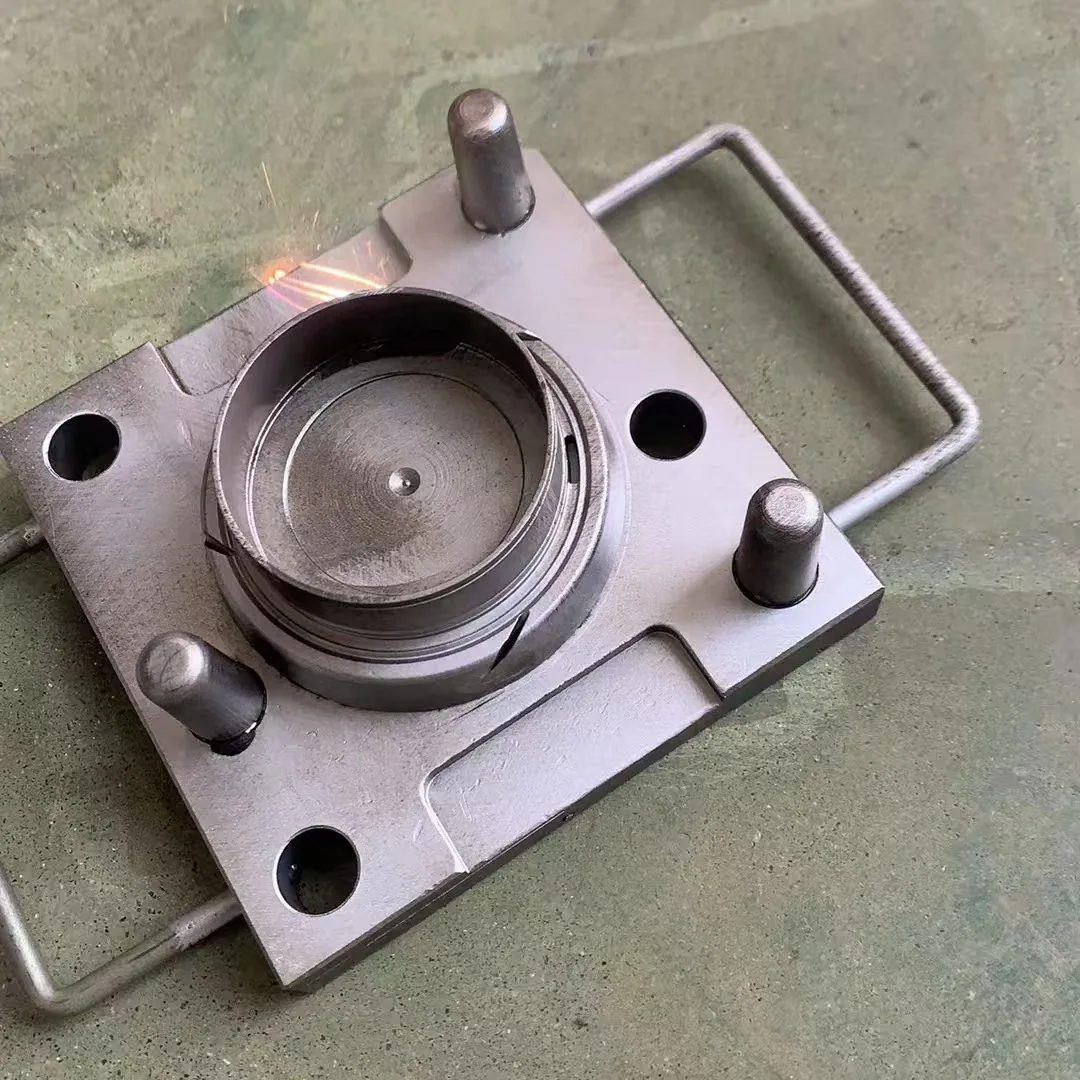
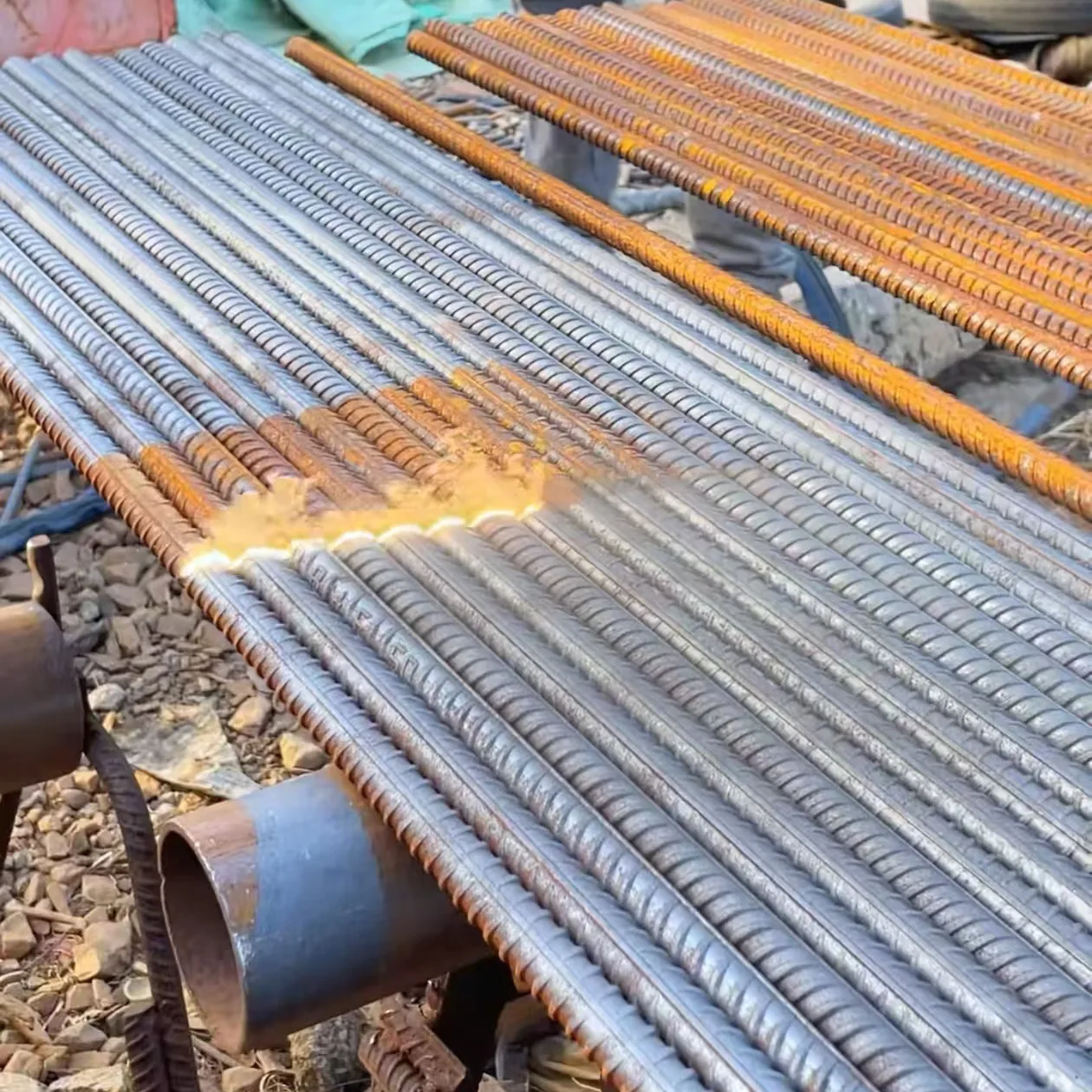
- Continuous fiber at 1080 nm, 1500 W to 6000 W
- Power stability <1.5% (25 °C, 2 h)
- Square meters per hour on paint and rust
Pulsed vs CW Decision Table by Part, Layer and Job
Read your job down the left column. Where most of your answers land in one column, that is your laser type.
Pulsed 50 to 500 W · MW-LY, MW-LC, MW-LC50
Continuous (CW) 1500 to 6000 W · MW-LCW
| Deciding point | Pulsed laser cleaningMW-LY · MW-LC · MW-LC50 | Continuous (CW) laser cleaningMW-LCW |
|---|---|---|
| Part thickness Can rule a type out | Thin sheet, covers, finished and precision parts keep their shape, because heat input stays low. | Thick plate, beams and heavy sections. On sheet below 4 mm, paint removal may distort the part. |
| Thickness of the layer | Thin layers: paint films, oxide, heat tint, light rust and residue. | Thick layers: heavy rust, thick paint systems and scale. |
| Precision and surface | A small field per pass, millimeters to centimeters, so edges, weld zones and mold details are cleaned to the line. | A wide band per pass, centimeters to decimeters, for parts where the base material is low in value and output counts. |
| Area and pace | Small to medium areas and batch work. Deep rust over large areas is slow. | Large surfaces cleaned every day, at square meters per hour on both paint and rust. |
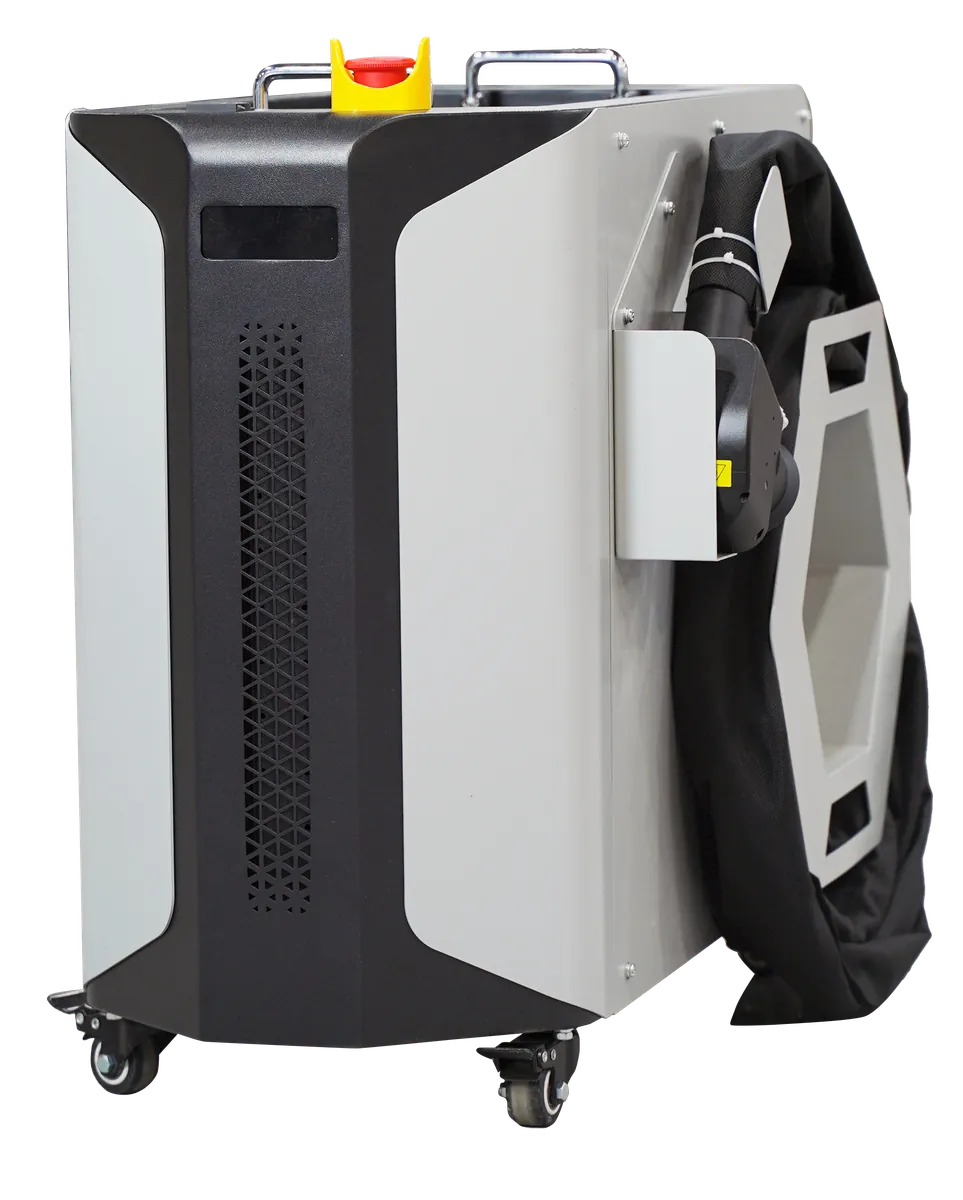
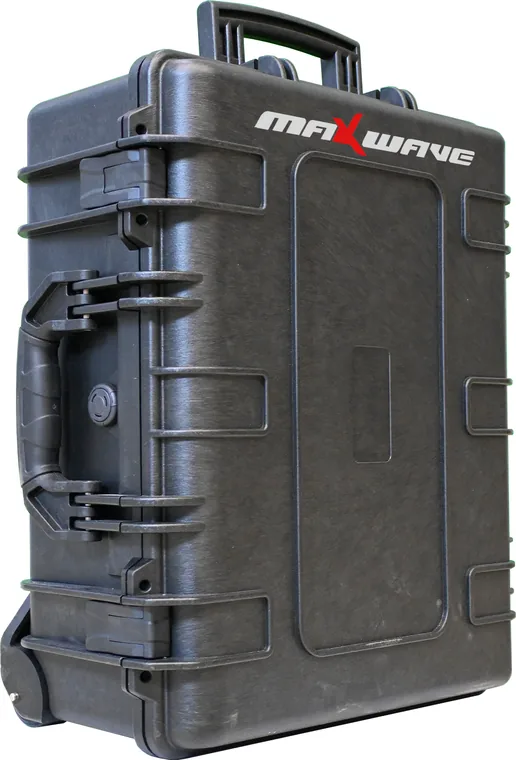
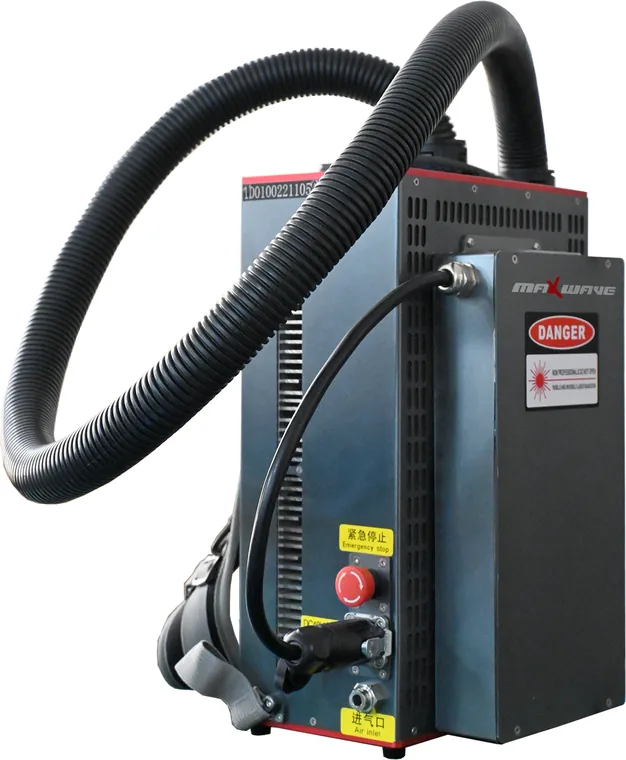
| Work location | Moves to the work: a 56 kg cabinet on wheels, a 25 kg trolley case or a 12 kg backpack. | Stays in one bay at 166 kg. The parts come to the machine. |
| Climate and shifts | Air cooled: quick start, no chiller, suited to intermittent use and frequent changes of site. | Water cooled: steady output over long runs, in hot workshops and tropical climates. |
| Residue left on the surface Can rule a type out | Rust comes off in two passes with no loose rust powder left on the part. | A small amount of powder may stay on the surface after rust or scale removal. |
Two rows rule a type out, the rest rank it
A part below 4 mm that needs paint removal points to pulsed even if every other answer points to continuous.Mixed parts can land on both columns
The rows describe the part and the job. A plant with very different parts on one list gets one machine of each type quoted in the same offer.Heat Input on Thin Sheet and Residue After Rust Removal
Both effects come from the way each laser type delivers its energy to the part.
How the heat reaches the part
A pulsed source releases its energy in pulses of 13 to 500 ns. The contamination layer heats so fast that it vaporizes, and the shock wave from the pulse lifts the rest away. The layer absorbs the 1064 nm wavelength more readily than the clean metal beneath it, so most of the energy is spent on the layer. A continuous source works as thermal cleaning: the beam is on all the time and sweeps a wide band, so the layer comes off fast and the base material takes a steady share of the heat.Why thin sheet may distort under a continuous beam
On thick plate the mass of steel spreads the heat and the part stays as it was. Sheet below 4 mm has little steel behind the cleaned zone, so the heat stays local, the hot zone expands against the cooler sheet around it, and the panel may distort during paint removal. On the shop floor that is a cover that no longer sits flat, a guard that will not refit, or a panel that has to be straightened before repainting. A pulsed machine keeps heat input low, so a large area of thin sheet is still pulsed work, with the pulsed power sized to the area.Why residue differs after rust removal
On a pulsed machine the first pass lifts the rust and the second clears what remains, leaving no loose rust powder. On a continuous machine the layer comes off by sustained heat at a much higher area rate, and a small amount of powder may stay. On structural steel that is planned into the job. On a part that goes straight to coating, assembly or inspection, it is a reason to choose pulsed.What this does not change
Pulsed cleaning still needs settings matched to the part, which is why pulsed power is adjustable from 0 to 100%. On deep rust over large areas a pulsed unit is the slow choice whatever its rating. Real jobs are on the laser cleaning results page.Thinnest-Section Check Before You Order
The machine has to suit the thinnest part on your job list, not the largest. Run this check before you choose a line.
- List every part the machine will cleanInclude the occasional jobs: covers, guards, brackets, flanges and sheet panels welded onto thick frames.
- Measure the thinnest section the beam will touchMeasure it on each part, not the thickest. A thick frame carrying a thin cover plate is judged by the cover plate.
- Mark every part below 4 mm that needs paint or coating removalThese parts need a pulsed machine.
- Mark every finished surfaceMachined faces, weld zones, parts near final dimension and high-value components also go to pulsed, because they cannot take the heat.
- Look at what remainsThick plate with heavy rust or paint, cleaned over large areas every day, is continuous work. If it is small in area or occasional, a pulsed machine covers it too.
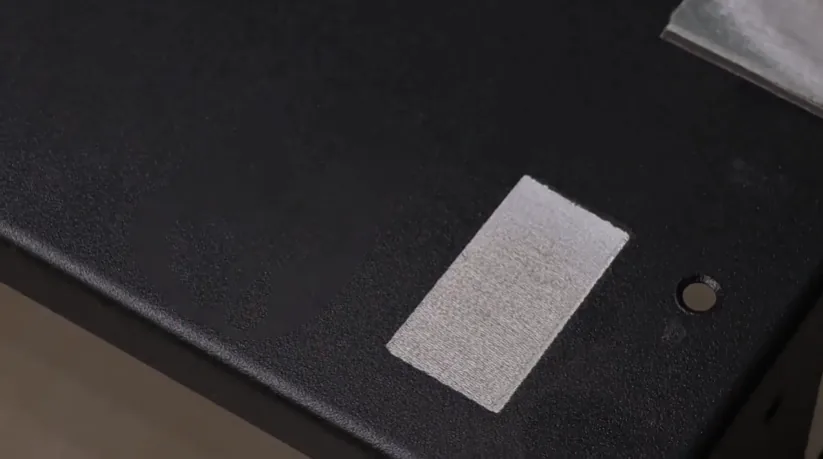
Read the result
Tick what your job list holds after steps 3 to 5.Reference Cleaning Rates for Pulsed and CW Lines
Reference values from our product data, set on one scale so the two types can be compared.
| Line and power | Reference rate | 05101520 |
|---|---|---|
| Organic layers: paint, coatings | ||
| Pulsed MW-LYat 100 to 200 W | approx. 5 to 8 m²/h | |
| Continuous MW-LCWat 1500 to 6000 W | approx. 10 to 20 m²/h | |
| Inorganic layers: rust, oxide, scale | ||
| Pulsed MW-LY, deep rustat 100 to 500 W | approx. 0.5 to 1 m²/h | |
| Continuous MW-LCWat 2000 to 6000 W | approx. 5 to 10 m²/h | |
PulsedContinuous (CW)
Rates move with the substrate, the layer and the settings, so they compare the two types and are not a figure for your part. Our pulsed portables run at similar paint rates and suit thin oxide and light rust, not heavy scale.
Multiply the gap by your area and shifts
A rate gap only means something once you multiply it by your own area and the shifts you run.Cleaning Head, Cooling and Pulsed Source Options
Three smaller choices that follow once the laser type is set.
Air Cooling and Water Cooling by Form Factor
Air cooling starts quickly and needs no chiller, which suits machines that change site often and work in sessions. Water cooling holds the laser at working temperature through long runs on thick parts, in steady workplaces and hot climates, where output is the priority. In our range the cooling follows the laser type and the form.- CabinetAir cooled · pulsedMW-LY air-cooled pulse laser cleaner56 kg · 220 V
- CabinetWater cooled · continuousMW-LCW water-cooled CW laser cleaning machine166 kg · 3.8 kW chiller
- Trolley caseAir cooled · pulsedMW-LC trolley case laser cleaner25 kg · 24 V / 48 V
- BackpackAir cooled · pulsedMW-LC50 backpack laser cleaning machine12 kg · on the back
Single-Swing and Double-Swing Cleaning Heads
Single-Mode and Multimode Pulsed Sources
On a mixed job list, the part with the most sensitive surface sets the choice.- Single mode
- The pick when paint removal rate comes first.
- Multimode
- Does the least damage to the surface, at a lower cleaning rate than single mode.
Jobs Both Laser Types Can Do: Surface First or Speed First
Some jobs fit either column of the table. One question decides them: does the surface come first, or the speed?
-
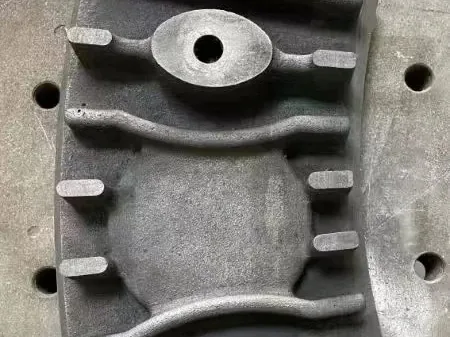
Mold cleaning
Both lines are matched to molds. More on the laser mold cleaning machine page.Surface firstPulsedCavity texture, edges and fine details must stay as machined.Speed firstContinuousDeposits on large mold surfaces, where cleaning time is the issue. -
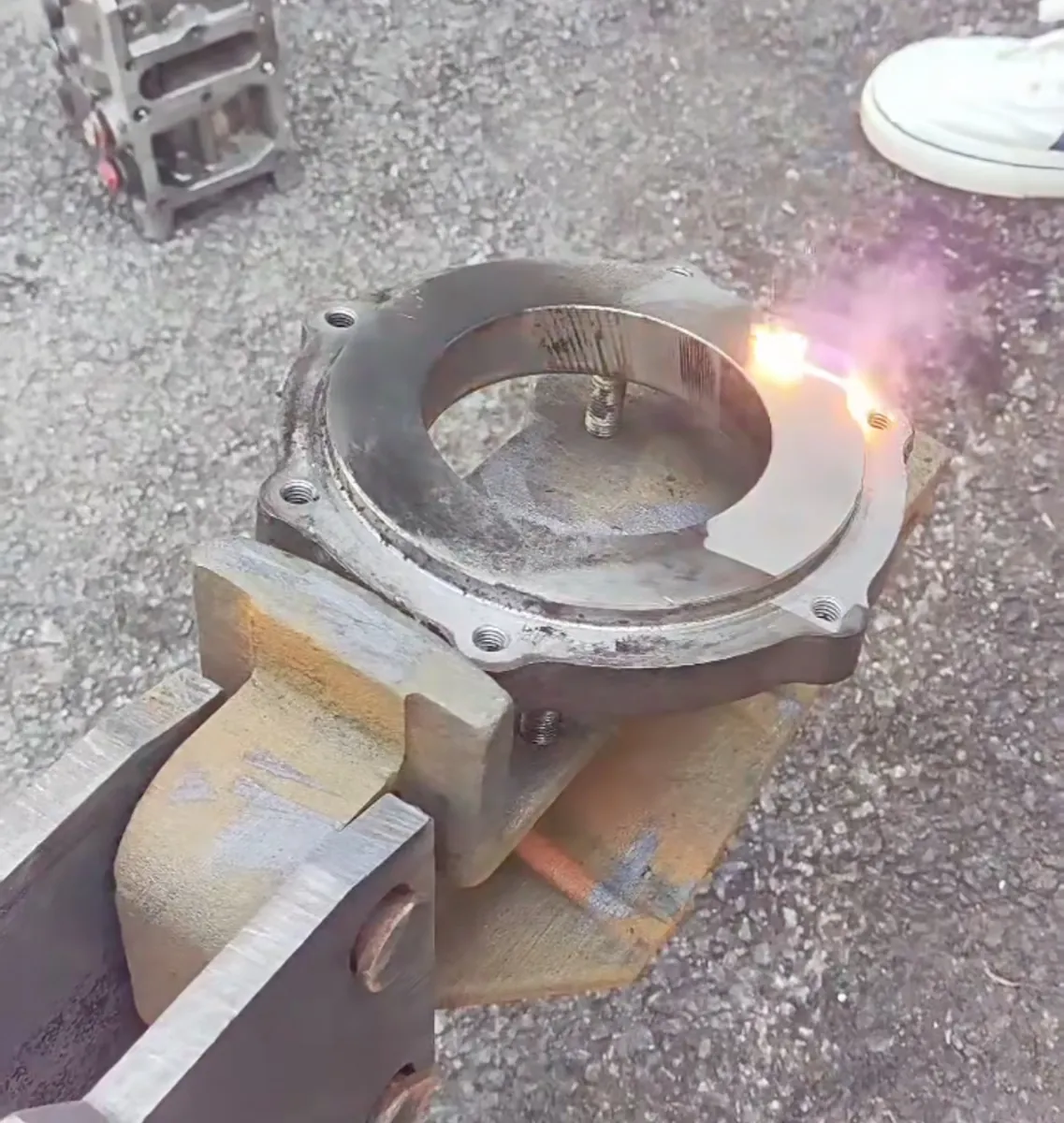
Oxide before welding
The part decides: a finished joint or a beam on a fabrication line.Surface firstPulsedOxide films and heat tint on finished or thin parts: low heat, clean edges at the joint.Speed firstContinuousMill scale and rust on beams and thick plate in a fabrication line, where area rate counts. -
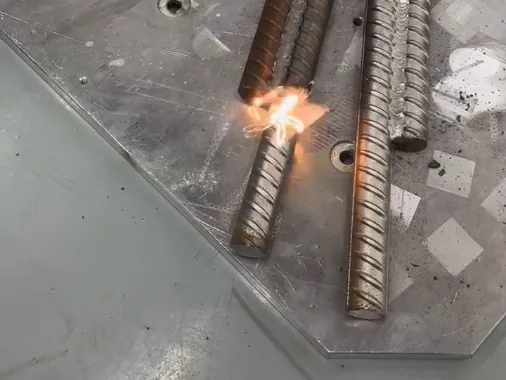
Medium rust on thick steel
Thickness rules nothing out here, so the residue row decides.Surface firstPulsedThe part goes straight to coating or assembly and must carry no loose powder.Speed firstContinuousStructural steel cleaned over large areas, where a little powder is accepted.
Send the Thinnest-Section Figure
A photo of the part, its thinnest section and your weekly area: an engineer names the laser type, line and power.
Four Buyer Profiles and the Line We Recommend
Find the profile closest to your operation and open the line it points to.
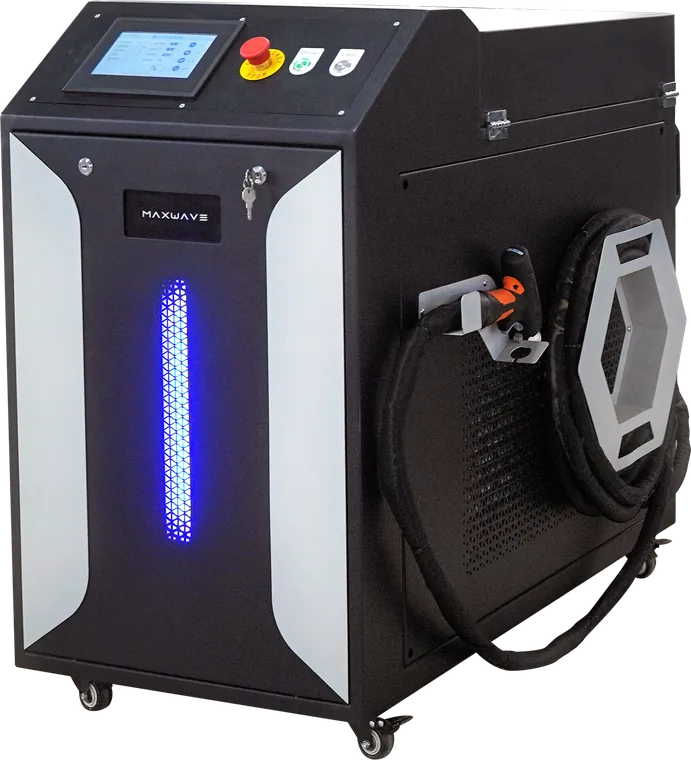
Fabrication plant or steel-structure shop
Plate, beams and frames cleaned every shift.MW-LCW water-cooled continuousSized from 1500 to 6000 W.
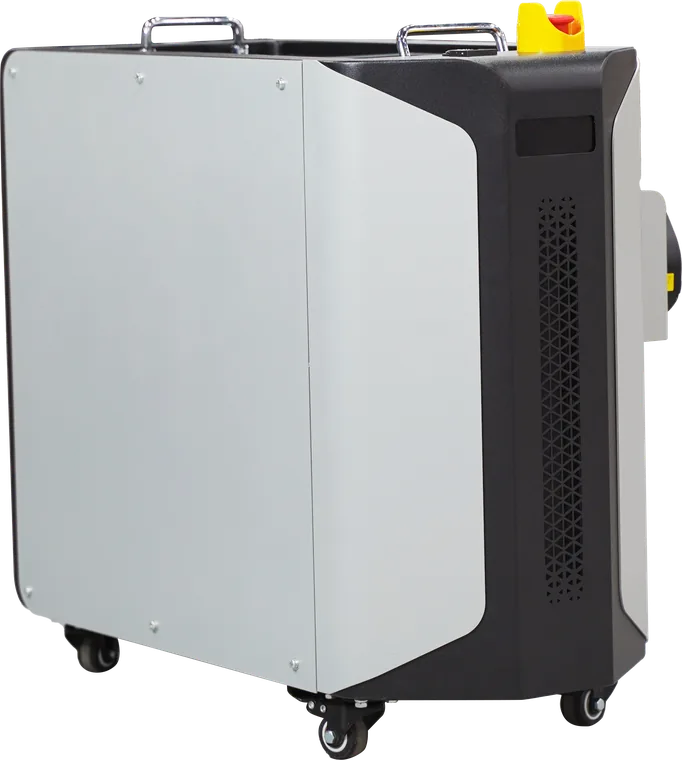
Sheet-metal, precision and welded parts maker
Thin panels, precision components and welded assemblies.MW-LY air-cooled pulsed cabinetPower chosen by the layer, scan field by the part.
Mold shop
Cavities and tooling cleaned between runs.MW-LY pulsed cabinetWith a multimode source where the surface matters most.
Maintenance team or surface-prep contractor
Jobs on customer sites, often at height or in tight spaces.MW-LC trolley case or MW-LC50 backpackThe backpack for work at height and in tight spaces.
Find the Right Laser Cleaner
Send the details below and an engineer replies with the laser type, line and power level for your job.
What to send
- Material and contamination: what the part is made of and what has to come off.
- Thinnest section: the thickness the beam will touch.
- Area per week: and your country.
- A photo of the part: on WhatsApp if easier.
Phone / WhatsApp: +86 15327155363 · Call