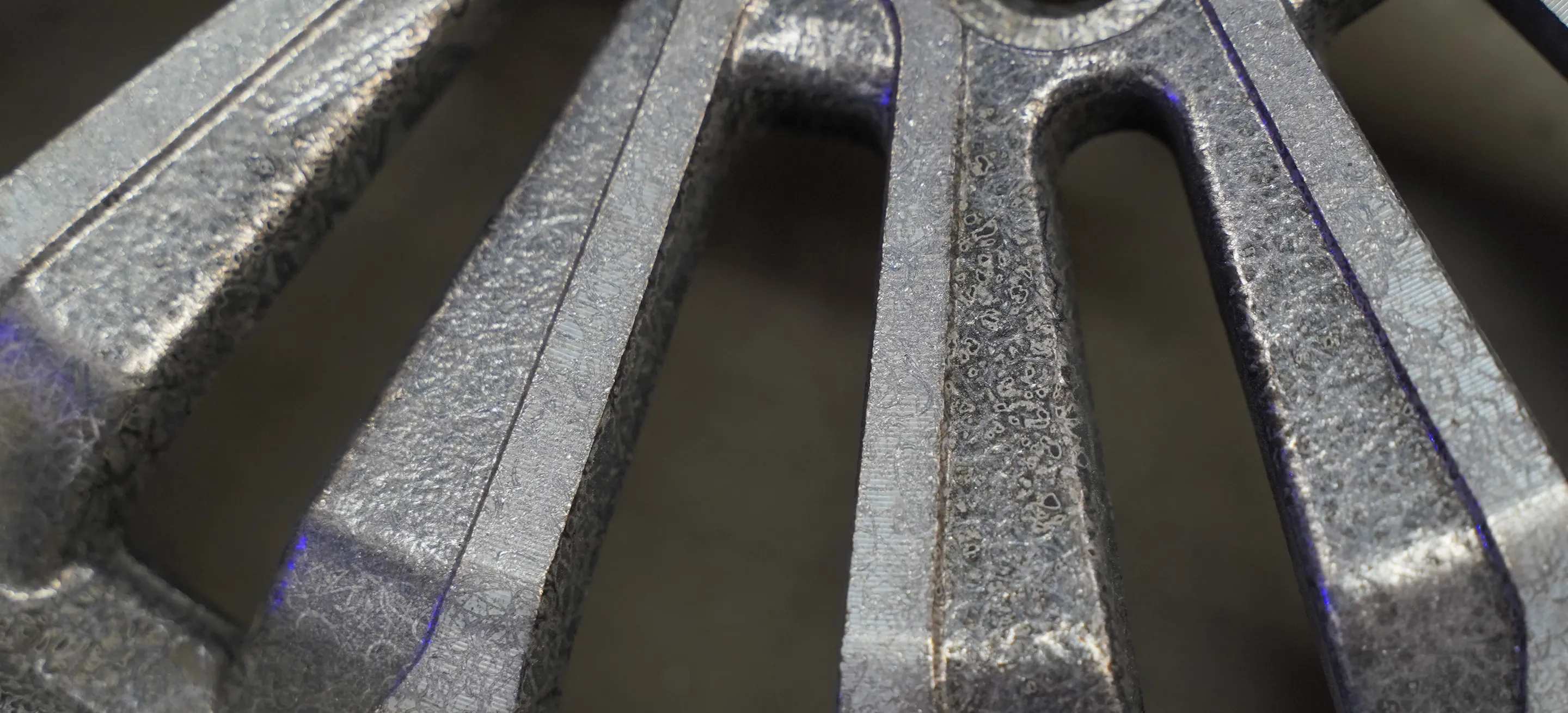
Cast wheel spokes half cleaned by laser cleaning equipment, bare metal beside the original oxide layer

Laser Cleaning Equipment Matched to Your Part: Pulsed, CW, Trolley-Case and Backpack

MAXWAVE laser cleaning equipment comes in four lines, compared here for buyers who pick one for a plant, a maintenance team or a contracting crew. The line is chosen by the part and the layer on it, not by the wattage.

  • LinesMW-LY air-cooled pulsed cabinets, MW-LCW water-cooled continuous cabinets, MW-LC trolley-case portables and MW-LC50 backpack units
  • 6000 W CWClears heavy rust on thick steel fast, and is the wrong choice for a thin panel
  • 100 W pulseCleans a weld seam or a mold cavity without heating the part, and takes far too long on a rusted steel structure
  • Pulsed 50 to 500 W, continuous 1500 to 6000 W
  • Air-cooled and water-cooled systems
  • From 12 kg on the back to 166 kg cabinets
  • 6 cleaning modes on every line

Four-Line Comparison of Our Laser Cleaning Systems

Compare lines on the same row. The two marked rows decide most purchases.

MAXWAVE laser cleaning equipment: four lines compared by laser type, power, cooling, cleaning width, rates, modes, weight, size, portability and typical use
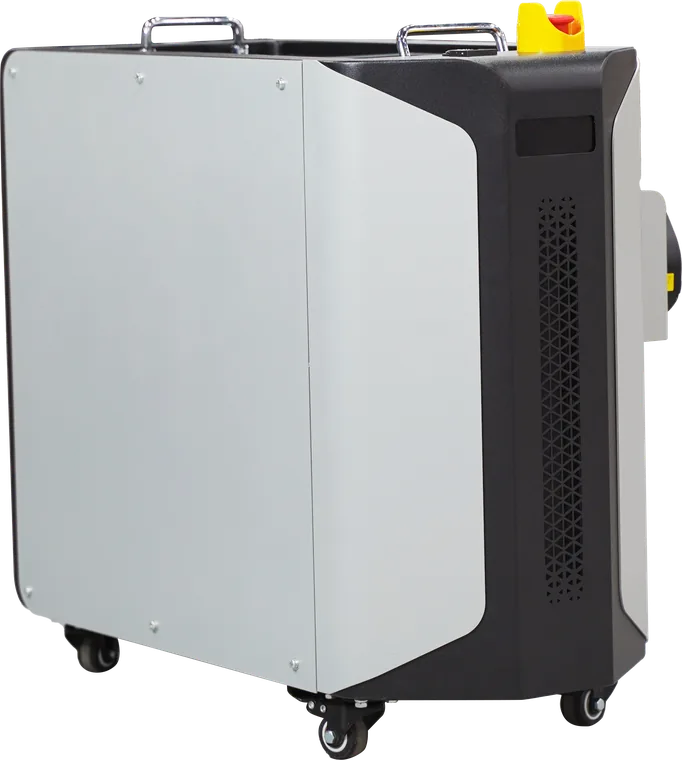
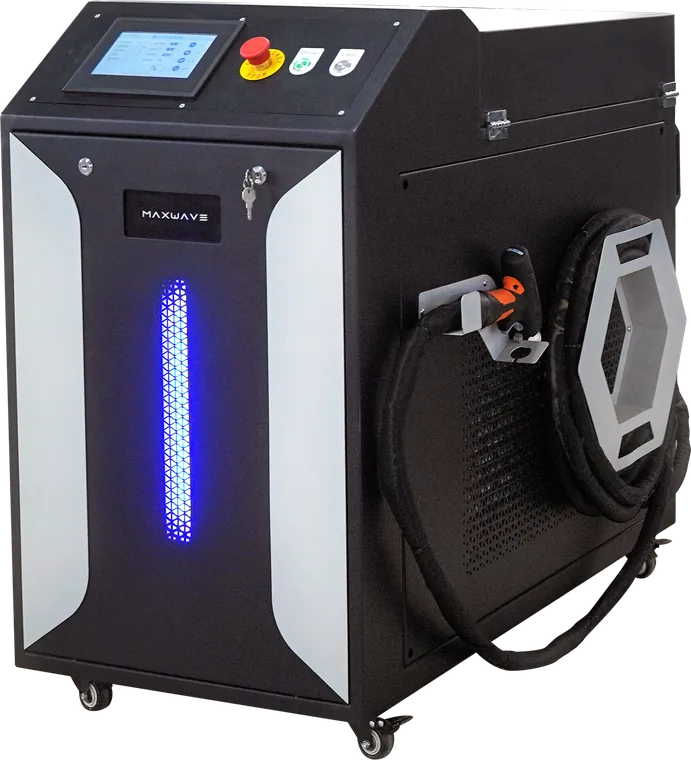
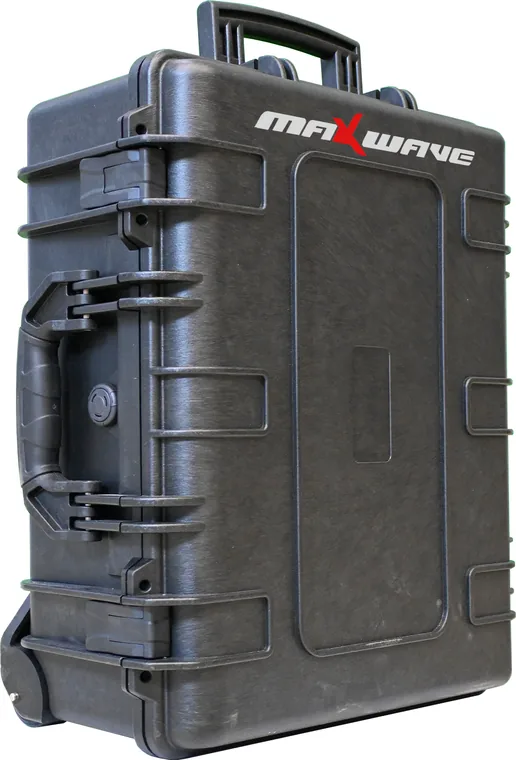
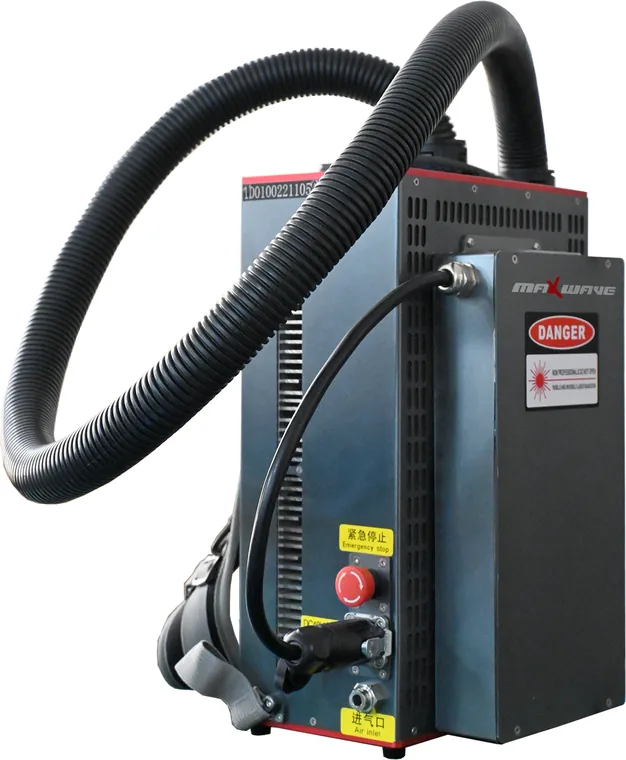
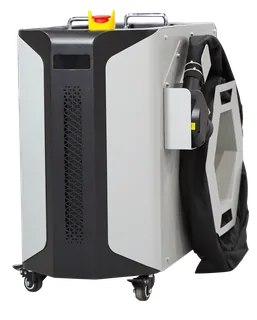
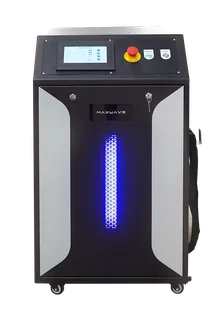
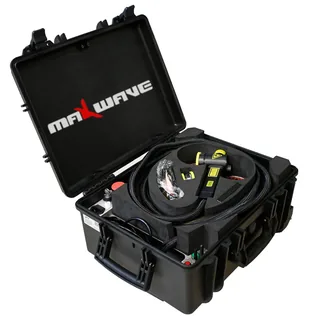
Specification MW-LY air-cooled pulsed laser cleanerMW-LYAir-cooled pulsed MW-LCW water-cooled continuous laser cleaning machineMW-LCWWater-cooled continuous MW-LC trolley-case laser cleaner, case openMW-LCTrolley-case MW-LC50 backpack laser cleaning machineMW-LC50Backpack
ModelsMW-LY100 to 500MW-LCW1500 to 6000MW-LC100 to 300MW-LC50 to 200
Laser typePulsed fiber, 1064 nmContinuous / modulated fiber, 1080 nmPulsed fiberPulsed fiber
Power100 to 500 W1500 to 6000 W100 to 300 W50 to 200 W
CoolingAirWater (chiller)AirAir
Gas protectionNot requiredCompressed air to the headNot requiredNot required
Cleaning width (by model)100 to 160 mm(100 to 600) × (100 to 600) mm100 to 160 mm100 to 130 mm
Organic layers (paint, coating)about 5 to 8 m²/h at 100 to 200 Wabout 10 to 20 m²/habout 5 to 8 m²/h at 100 to 200 Wabout 4 to 8 m²/h at 50 to 200 W
Inorganic layers (oxide, rust)deep rust about 0.5 to 1 m²/habout 5 to 10 m²/h at 2000 to 6000 Wthin oxide and light rust onlythin oxide and light rust only
Cleaning modes666 (14 scan patterns)6
Machine weight56 kg166 kg25 kg12 kg
Machine size77×47×60 cm100×55×92 cm38×27×57.5 cm33×16.8×38 cm
PortabilityAverage: cabinet on wheelsLow: stays in the workshopEasy to carryEasy to carry, worn on the back
Typical usePrecision parts, metal surfaces, molds, wood, stone, restoration workThick plate, building materials, metal surfaces, molds, wood, stoneThin contamination on site, where output rate is not the first priorityThin contamination at height, in tight spaces and in the field

How to read the rates

They are reference values from our product data, not a promise for your part. The real rate moves with the substrate, the type and thickness of the layer, and the settings an operator uses. Send us your part and an engineer gives a figure for your job.

Two rows decide most purchases

The power row tells you how much surface a line clears per hour. The laser type row tells you how much heat goes into the part. Weight and portability then decide whether the machine comes to the part or the part comes to the machine.

Choosing a Line by Part and Job Site

Pulsed and continuous lasers put heat into a part in different ways, and that difference drives most of the choices below. The physics and the full decision table are on the pulsed vs CW laser cleaning machine page.

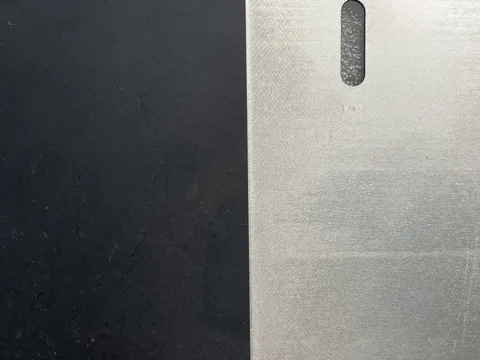
  • Steel plate with black coating on one half and laser stripped bare metal on the other

    Thin sheet, finished parts and precision components

    Part sensitive to heat

    Low heat input keeps panels and machined faces true; continuous lasers may distort sheet below 4 mm.

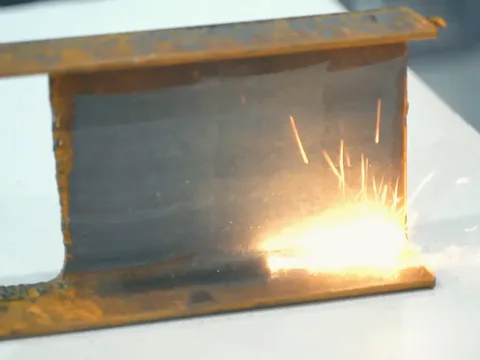
  • Laser cleaning heavy rust from a steel I-beam section

    Heavy rust and thick paint on large steel areas, over full shifts

    Workshop bay, daily output

    The water chiller holds output through long runs and hot climates; at 166 kg it stays in one bay.

    Typical example: 1500 W continuous rust removal, about 4 to 8 m²/h
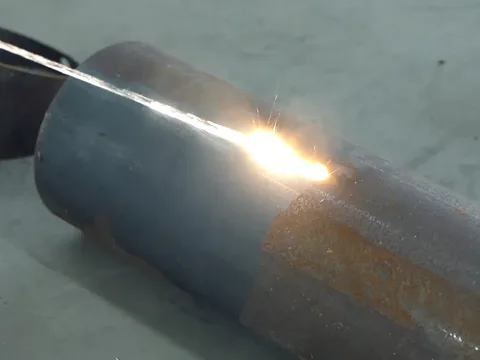
  • Laser cleaning rust from a steel pipe on site

    Jobs that move from site to site

    Contractors and repair teams

    25 kg and air-cooled, with no chiller to ship; thin layers only, heavy rust goes to a continuous machine.

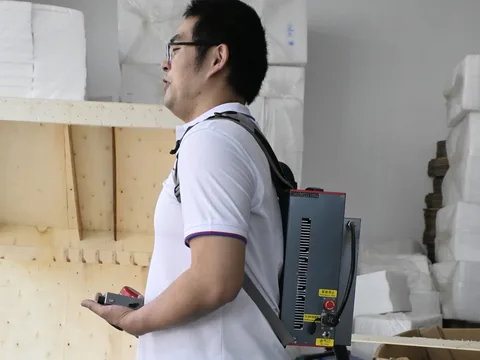
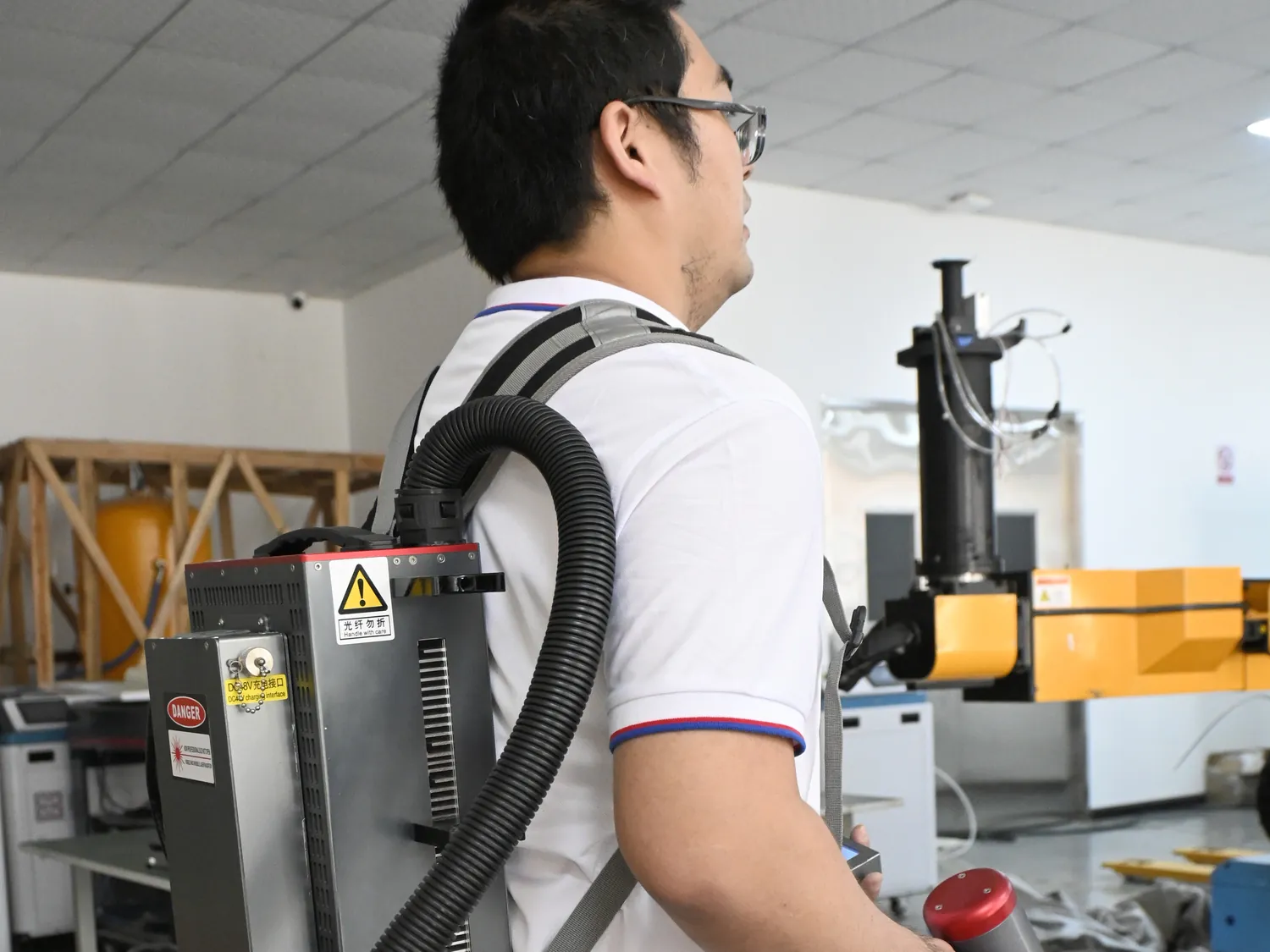
  • Operator wearing a backpack laser cleaning machine with its controller

    Work at height and in tight spaces

    Ladders, platforms, vessels

    12 kg, carried by the operator; for light rust, oxide and residue films.

    Typical example: 100 W backpack unit on metal gears, about 3 to 4 m²/h
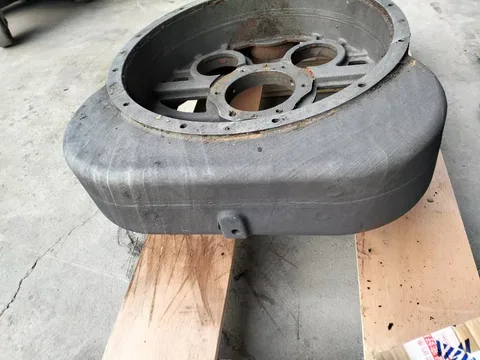
  • Mold housing with release agent and carbon residue

    Molds and tooling

    Cavities and fine detail

    Release agent, rubber and carbon come off with no abrasive contact on the cavity.

    Typical example: 300 W pulsed unit on molds, about 5 to 7 m²/h
  • Fixed cleaning points, very large parts or production-line cleaning

    Beyond a handheld head

    Built around the part when a handheld head cannot reach or keep pace.

MW-LY models, power options and full specifications: air-cooled pulse laser cleaner

Site safety: on-site and portable work always needs a controlled Class 4 laser area, protection against reflections and fume extraction. Site setup is on the support and maintenance page.

MW-LCW Water-Cooled Continuous Laser Cleaning Machine

Built for output: fabrication plants and steel-structure work that clean large surfaces every day.

It clears thick paint and heavy rust on thick plate faster than any of our pulsed lines.

Fits
Thick plate, steel structures, large areas cleaned daily
Limit
Thin material: continuous heat may distort sheet below 4 mm
Water-cooled CW laser cleaning machine specs
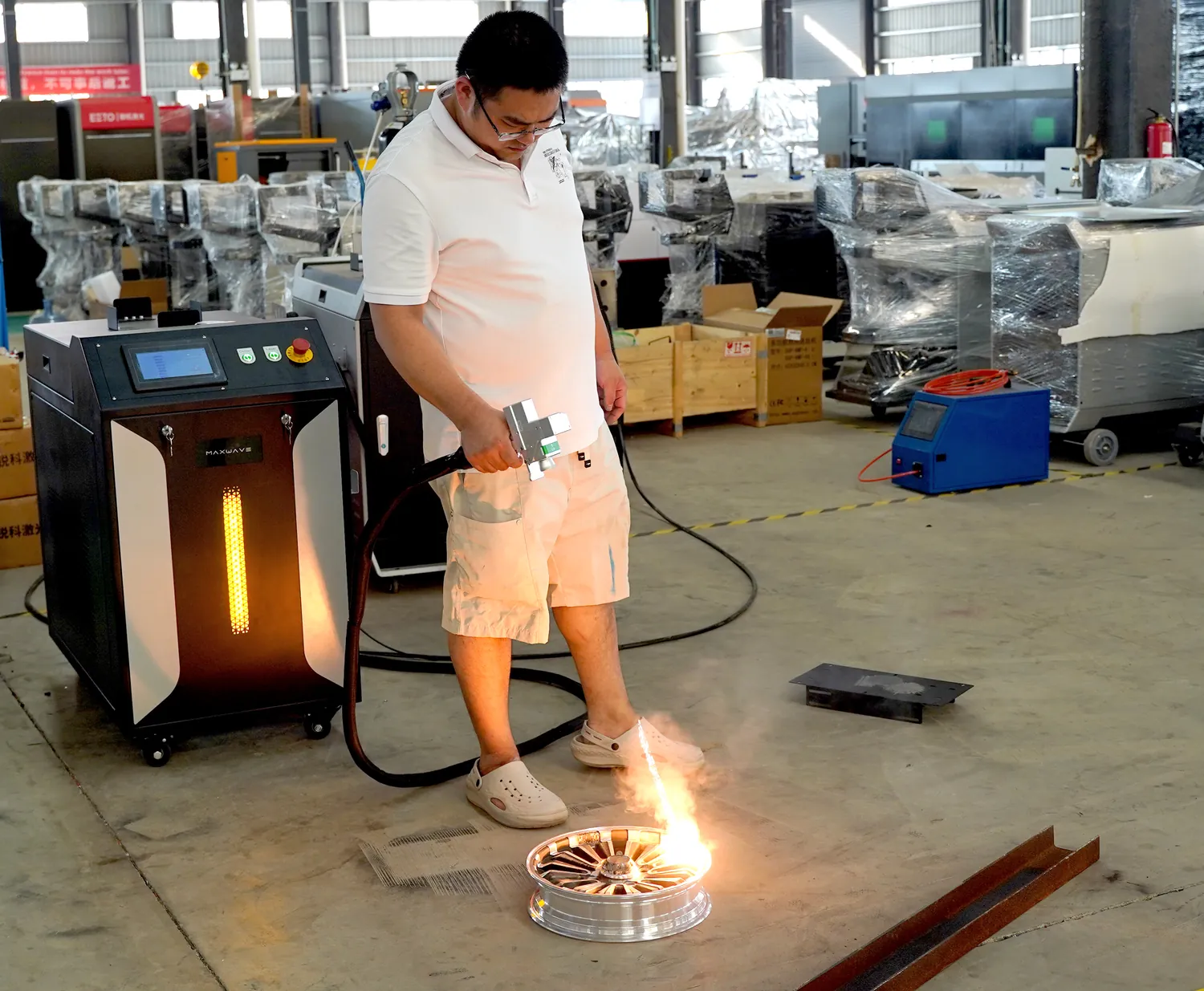
Operator running an MW-LCW continuous laser cleaning machine on a wheel hub in the workshop
MW-LCW cabinet in a workshop run on a wheel hub
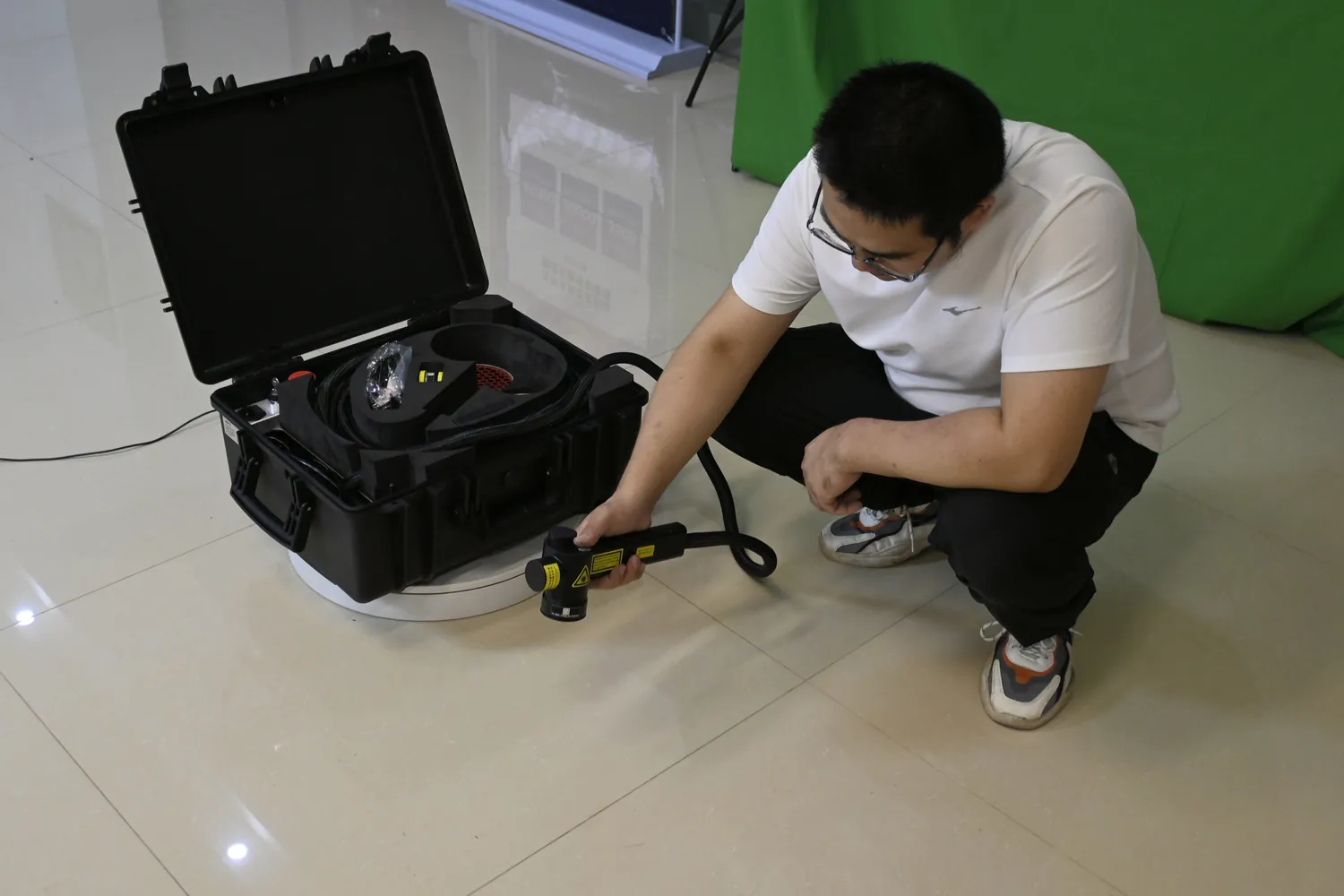
Technician cleaning with an MW-LC trolley-case portable laser cleaner opened on the floor

MW-LC Trolley-Case Portable Laser Cleaner

For maintenance companies and surface preparation contractors who take the machine to the job. A pulsed, air-cooled laser packed into a wheeled case, running on 24 V or 48 V supply.

Fits
Thin contamination, jobs where reach beats hourly rate
Supply
24 V or 48 V
Operator wearing the MW-LC50 backpack laser cleaning machine with the head in hand

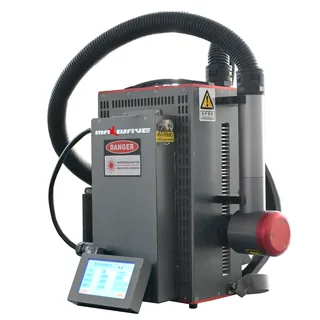
MW-LC50 Backpack Laser Cleaning Machine

The lightest unit in our range, for work at height, inside confined spaces and in field maintenance where even a trolley case cannot follow. Pulsed, air-cooled and worn by the operator, from 50 W to 200 W.

Fits
Light rust, oxide and residue films
Not for
Heavy layers over large areas

Custom Laser Cleaning Systems for Special Parts

When the part, the position or the line does not suit a standard unit, the system is designed around it. The project steps are on the custom system page.

Custom laser cleaning system
  • PROJECTRobot-assisted laser cleaning
  • PROJECTLarge train-wheel cleaning equipment

Features Shared Across the Range

Fiber laser source
Every line is built on a fiber laser: pulsed at 1064 nm on the MW-LY, continuous at 1080 nm on the MW-LCW.
Non-contact cleaning
No media, solvent or disc touches the part, so nothing wears the surface and there is no spent media to clear up.
Saved settings on the cabinet lines
The MW-LY stores cleaning parameters and the MW-LCW keeps a process library, so a setting proven on one part is reused for the next batch.
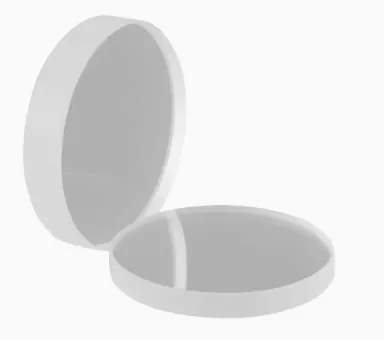
Quartz protective lens on the cabinet lines
On the MW-LY and MW-LCW the lens facing fume and spatter is high-purity quartz with transmittance of 99.85% or more, not K9 glass.

Components, assembly and the six final tests on every machine are on the About Us page.

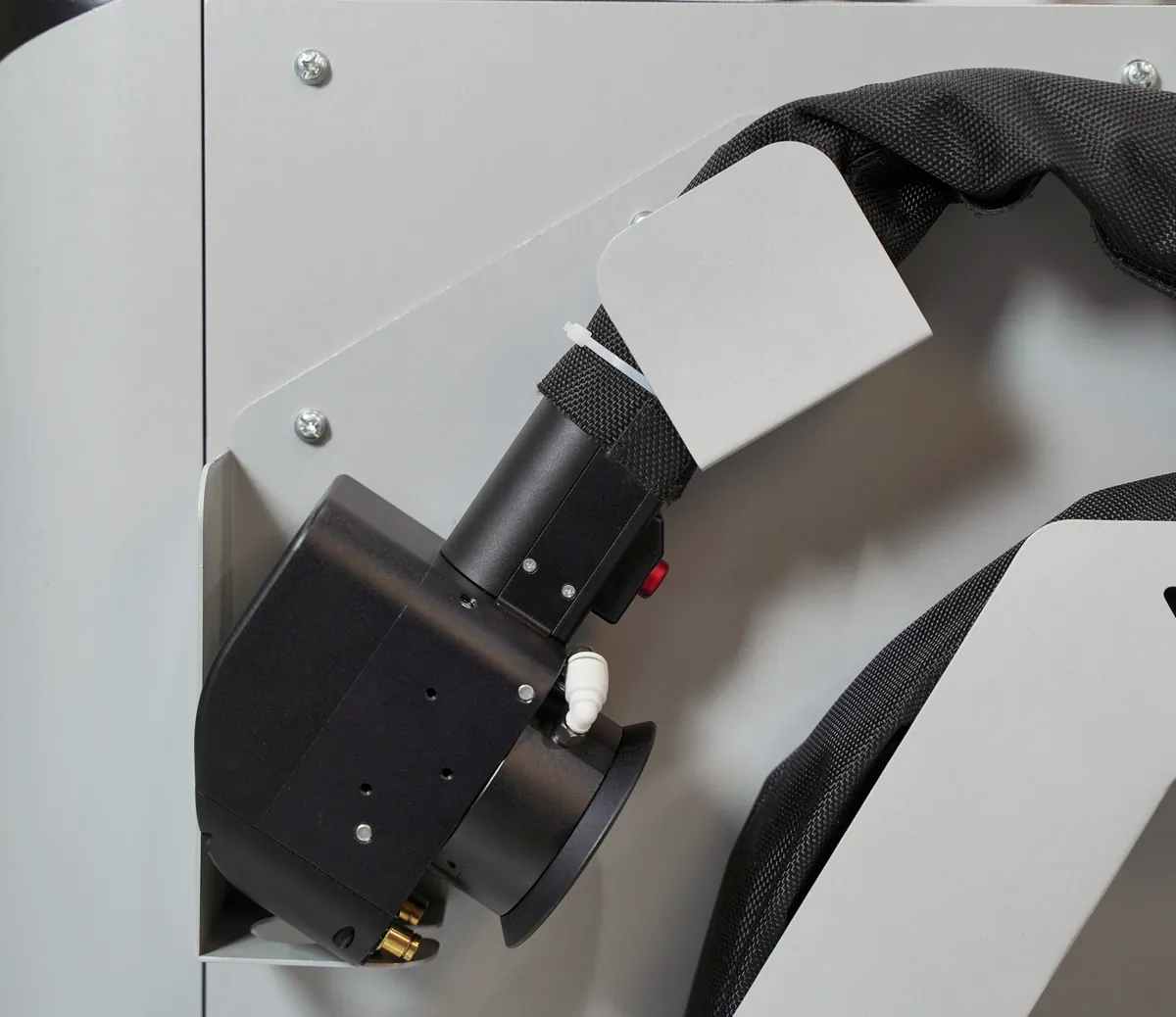
Pulsed laser cleaning head docked on an MW-LY cabinet
MW-LY HEAD
Quartz protective lenses used on the cabinet laser cleaning lines
Quartz protective lens

Send the material, the contamination and a photo of the part. An engineer names the line, the power level and the options.

Get a Quote PHONE / WHATSAPP

Get a Quote for Your Laser Cleaning Equipment

Send the five details through the form and an engineer replies with a recommended line and configuration.

Five details for a line recommendation

  • Material: steel, stainless steel, aluminum, wood, stone or other. This sets the laser type.
  • Contamination: rust, paint, coating, oxide, oil or mold residue, with a photo. Thin films and heavy layers point to different lines.
  • Thickness and area: part thickness, size and surface cleaned per day or week. Thin parts rule out a continuous machine; daily large areas call for one.
  • Site conditions: workshop bay, customer site, work at height or a confined space. This sets the form factor.
  • Country and voltage: MW-LY on 220 V, the 3000 W MW-LCW on 380 V, MW-LC portables on 24 V or 48 V, so the supply is checked before the quote.

Phone / WhatsApp: +86 15327155363 · Call