Laser Cleaning for Industrial Maintenance: Clean Installed Machinery On Site, No Blast Containment

The machine comes to the equipment. Rust, paint, oxide and residue come off the part in place, and the press, drive or frame stays on its foundation instead of being stripped down and shipped to a cleaning shop.

For plant maintenance teams and the MRO crews who keep a factory's own presses, drives and frames running. A laser uses no abrasive and no solvent: no blast enclosure to build around the machine, no media to sweep up afterwards.

On-Site Cleaning Conditions: Power, Access, Surroundings and Fume

A maintenance job is decided by the site before it reaches the machine. Before quoting, the engineer goes through five conditions with you. Each one changes the unit we recommend, or sends the part to a workshop machine instead.

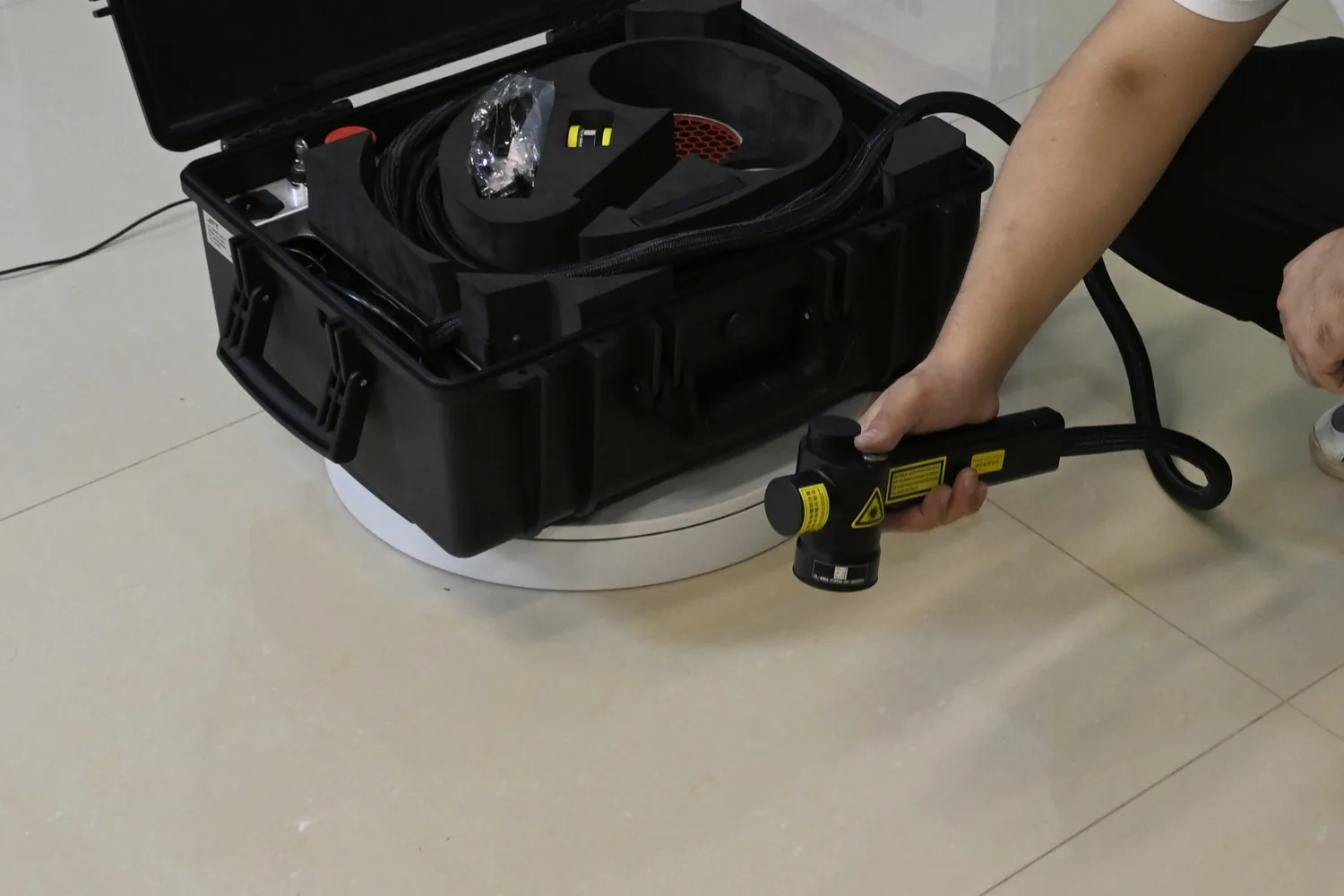
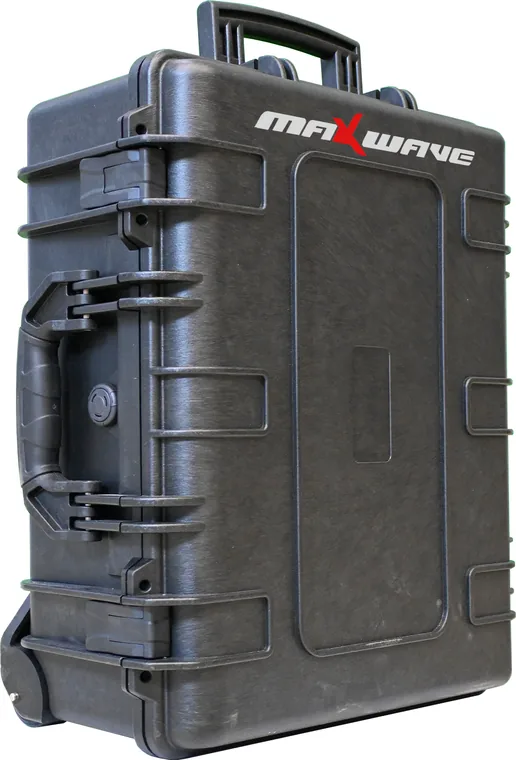
Technician holding the cleaning head beside an open MW-LC trolley case laser cleaner at the work point for machinery maintenance cleaning
MW-LC trolley case opened at the work point

Send one photo of the equipment and its surroundings. It shows the engineer what needs shielding, where the bright surfaces are and how the unit gets to the part.

Site check before the quoteFive conditions

Power at the equipment

The engineer confirms

The supply your technicians can count on at the work point, in your country.

UnitSupply
MW-LC trolley case24 V / 48 V
MW-LY air-cooled pulsed cabinet220 V
MW-LCW continuous, 3000 W model380 V
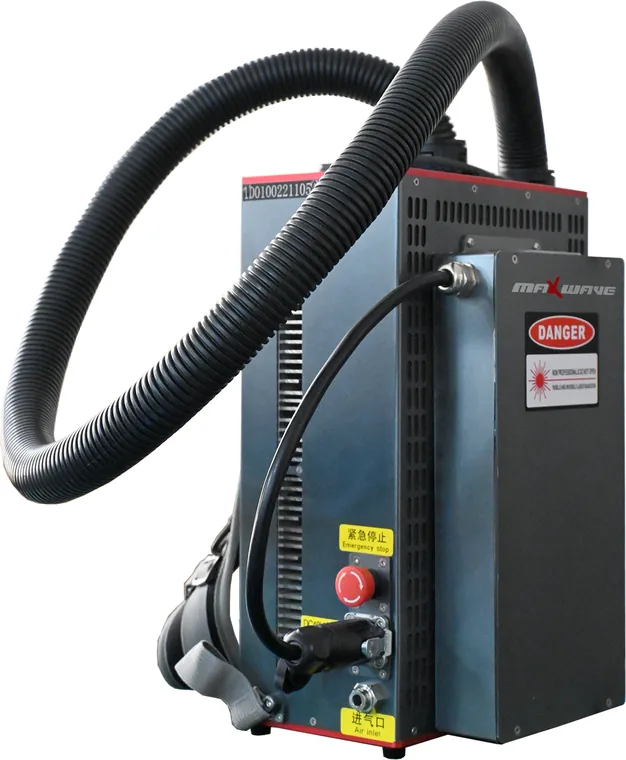
MW-LC50 backpackConfirmed with the quote
Why it comes first

A plant floor usually has a 220 V outlet near the line. A pit, a yard or a customer's remote installation may not, so the quote is for a unit that runs on what is really there.
Access and carrying weight

The engineer confirms

The route to the part: doors, aisles, stairs, ladders, platforms and narrow gaps.

  • MW-LC50 backpack12 kgWorn by the operator, up ladders and into enclosures
  • MW-LC trolley case, 38 × 27 × 57.5 cm25 kgPulled on wheels, loaded into a service van by one person
  • MW-LY pulsed cabinet56 kgA cabinet on a cart, rolled along your own floor
  • MW-LCW continuous cabinet with chiller166 kgStays in one bay; the parts come to it
Why it matters

A machine that cannot reach the equipment means the equipment has to come apart. Tell us about stairs, ladders or narrow gaps on the route, and the engineer rules out the units that will not get there.

Equipment around the cleaning area

The engineer confirms

Painted surfaces, labels, cables and sensors next to the area to clean.

Why it matters

The beam strips the layer wherever it is pointed. Neighbouring surfaces are covered or screened before work starts.

Reflective surfaces

The engineer confirms

Polished shafts, stainless guards and bright machined faces near the work.

Why it matters

They can throw the beam back toward the operator and people nearby. The crew places screens and plans the head angle before the first pass.

Fume extraction

The engineer confirms

Where the extractor stands and how the space is ventilated.

Why it matters

Every job produces fume and fine particles at the cleaning point. Inside a machine housing, a pit or a closed room they collect quickly.

Portable Machine Choice: Backpack, Trolley Case or Air-Cooled Cabinet

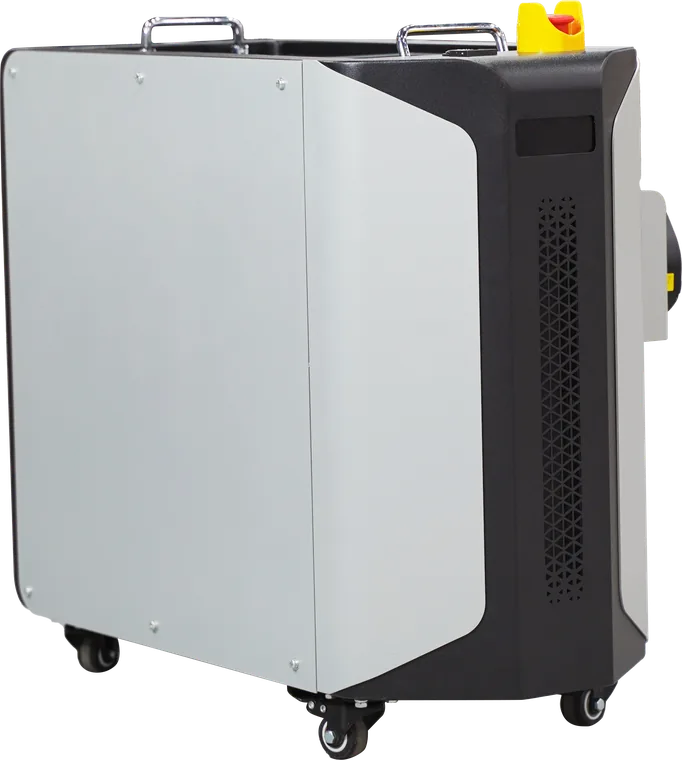
All three units are pulsed and air cooled. They differ in how they reach the equipment, and in the power and cleaning width they bring.

Your crew
MW-LC50 backpack laser cleaner for maintenance work at height

MW-LC50 backpack

Fits your crew
Moves by
On the operator's back
Machine weight
12 kg
Laser power
50 to 200 W
Cleaning width
approx. 100 to 130 mm
Maintenance tasks
Gears and drives at height, inside housings and pits
Usually chosen by
Teams who climb or crawl to the work: ladders, platforms, tight openings

Backpack laser cleaning machine

MW-LC trolley case laser cleaner for field service crews

MW-LC trolley case

Fits your crew
Moves by
Pulled on wheels
Machine weight
25 kg
Laser power
100 to 300 W
Cleaning width
approx. 100 to 160 mm
Maintenance tasks
Repair bays, plant floors, customer sites reached by vehicle
Usually chosen by
Field crews: goes out with the service vehicle, wheeled from the parking spot to the equipment

Trolley-case laser cleaner

MW-LY air-cooled pulsed laser cleaning cabinet for in-plant industrial equipment cleaning

MW-LY air-cooled cabinet

Fits your crew
Moves by
Cabinet on a cart
Machine weight
56 kg
Laser power
100 to 500 W
Cleaning width
approx. 100 to 160 mm, by model
Maintenance tasks
Overhaul inside your own plant, finished and precision parts, repeated jobs on site
Usually chosen by
In-house departments: the widest pulsed cleaning field, and saved settings for jobs that come back every service interval

Air-cooled pulse laser cleaner

Work that mixes field calls and in-plant overhaul: tell us both. The engineer may quote a portable unit for the crew and an MW-LY cabinet for the maintenance shop.

Layer Limits for On-Site Maintenance Cleaning

The two portables are matched to thin layers, not heavy scale.

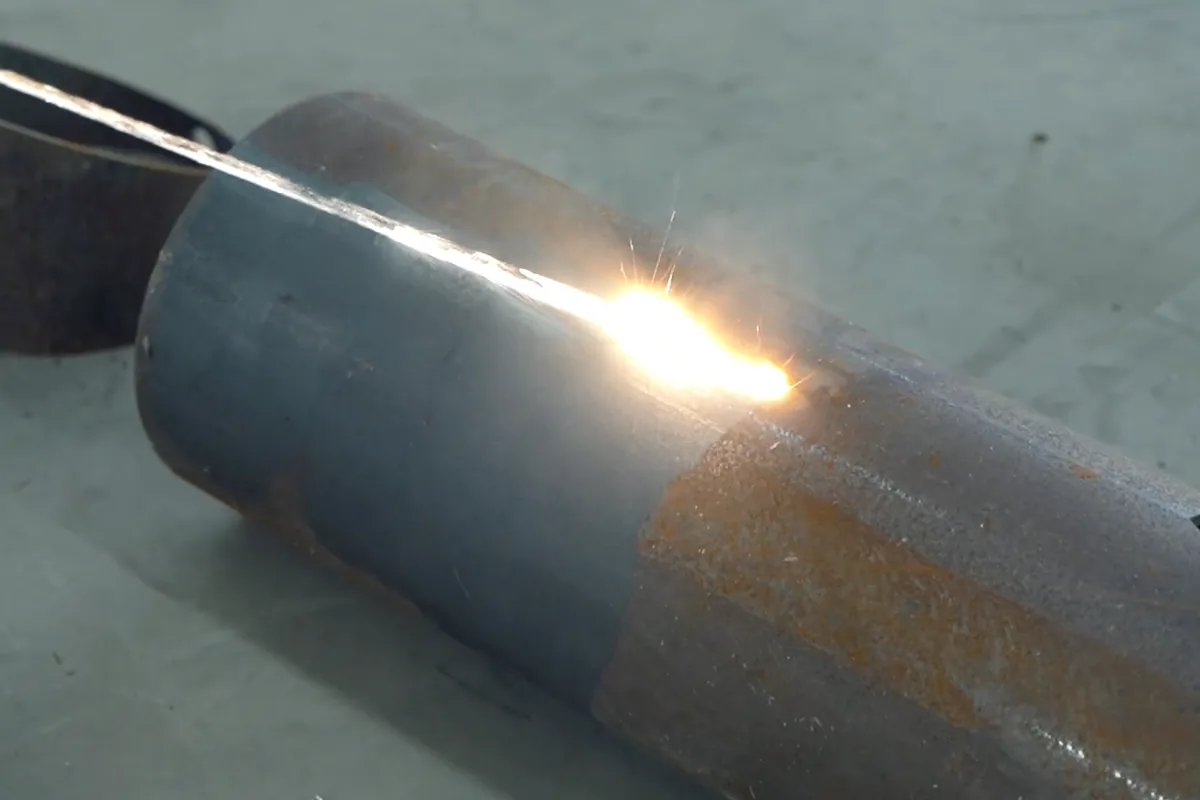
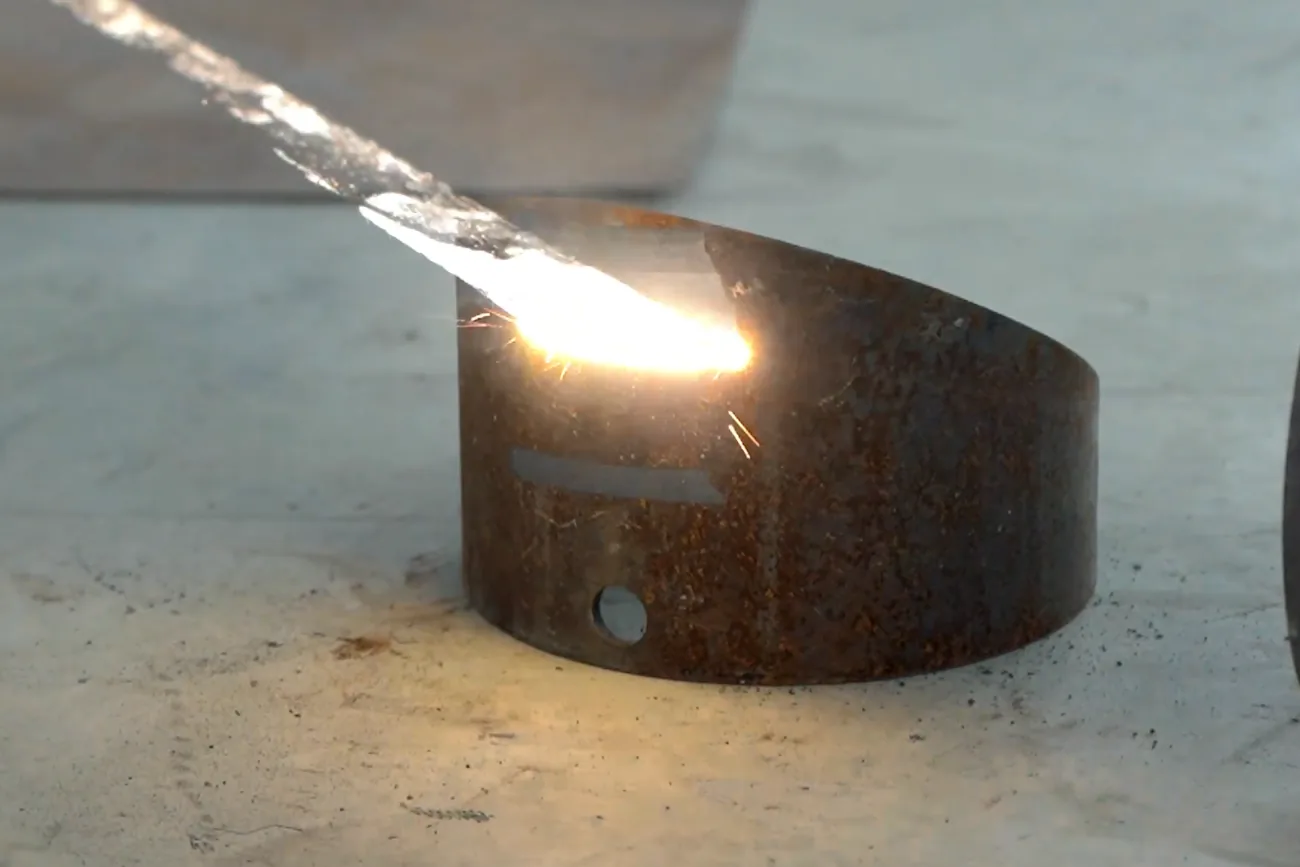
Thin rust film laser cleaned off a steel pipe during maintenance
On site, portable unit

Paint, coatings, thin oxide and light rust

The backpack and the trolley case clean these where the equipment stands.

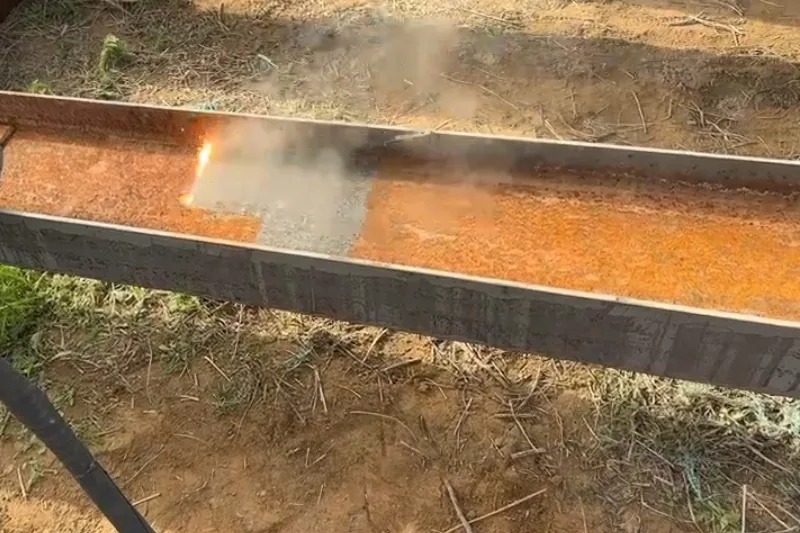
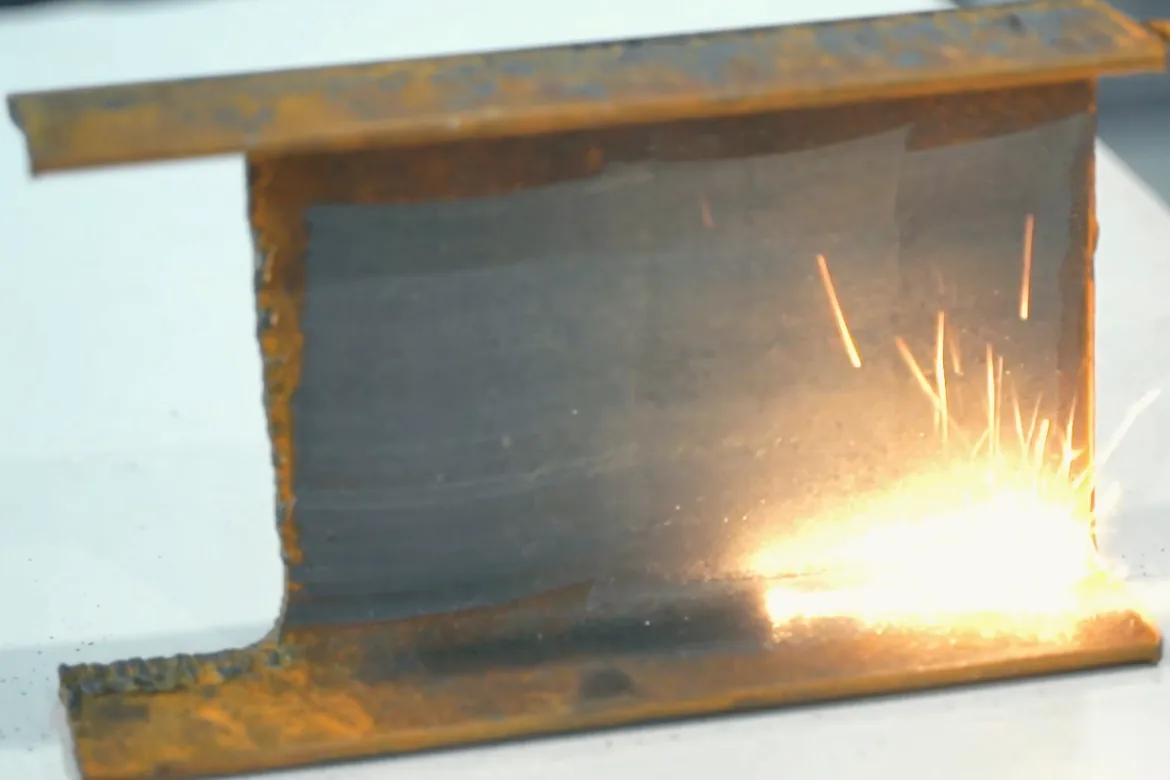
Heavy rust crust on a steel beam, a job for a continuous laser in the bay
Part brought to the bay

Heavily rusted frames and large steel areas

The job runs faster on our water-cooled CW laser cleaning machine.

Line of sight. The beam cleans what it can see. Residue deep in a closed recess stays where it is, and the engineer tells you this from your photos before quoting.

Maintenance Parts Cleaned in Place

Parts cleaned while the machine stays installed, or at the repair bay.

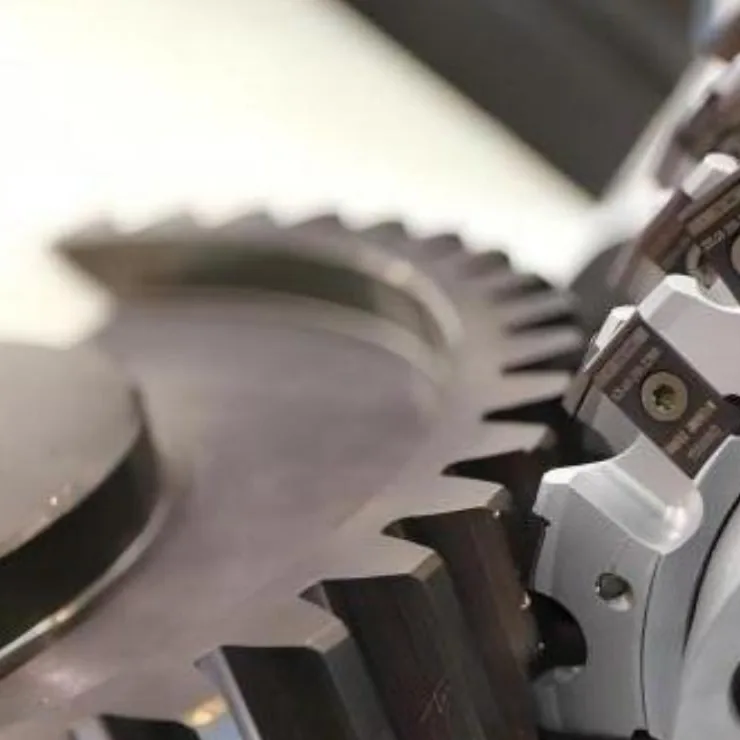
Gear teeth on a drive, cleaned of light rust and residue without removing the gear
Gear teeth
Laser cleaning for industrial maintenance on a pipe section, rust coming off the wall
Pipe wall
Rust cleared along a steel channel section of a machine frame
Steel channel
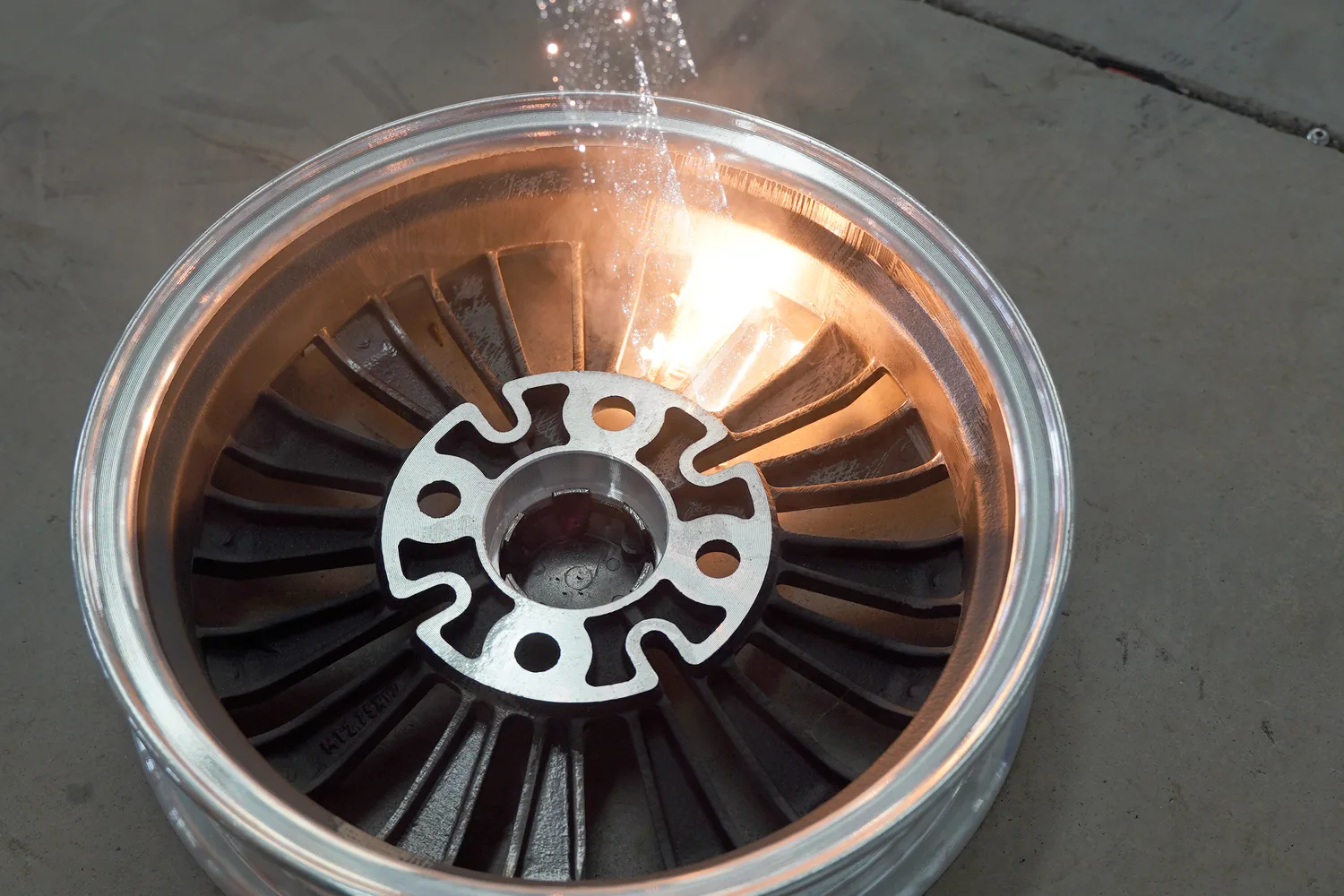
  • Wheel hubsPaint and surface rust removed across the curved face of the hub, at the repair bay.
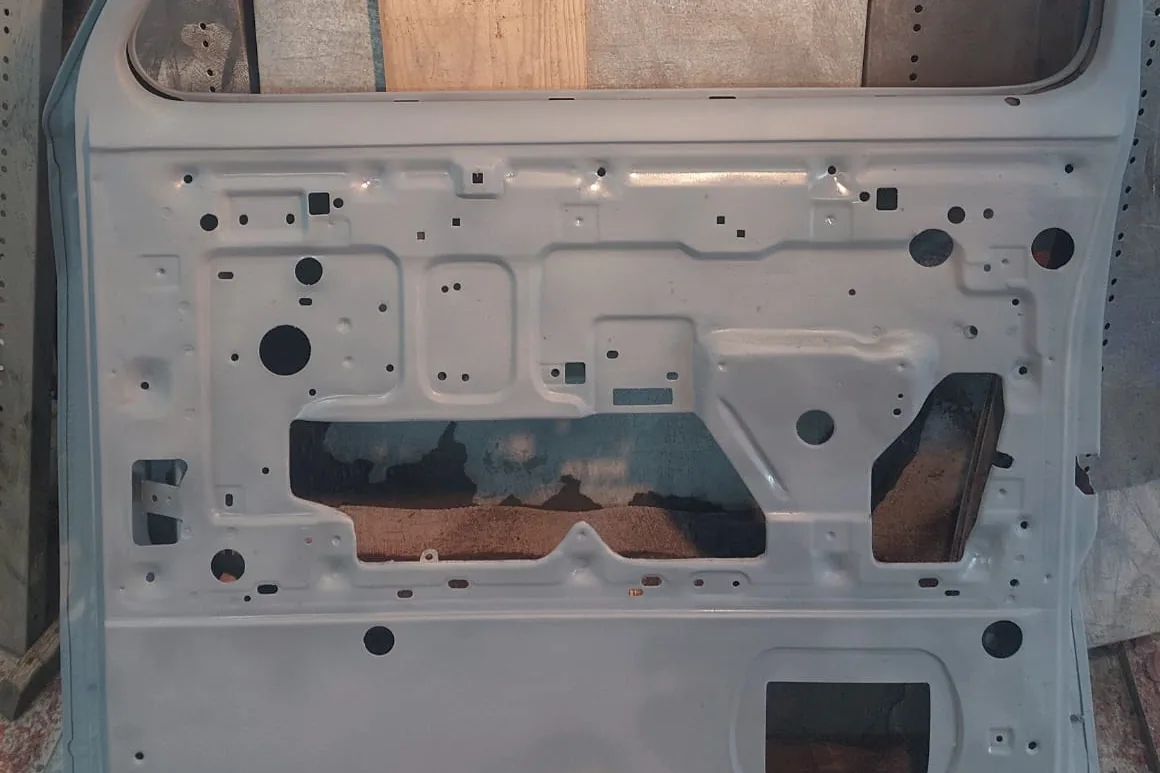
  • Door framesCorrosion spots and old paint cleared along frame edges and profiles before repair.
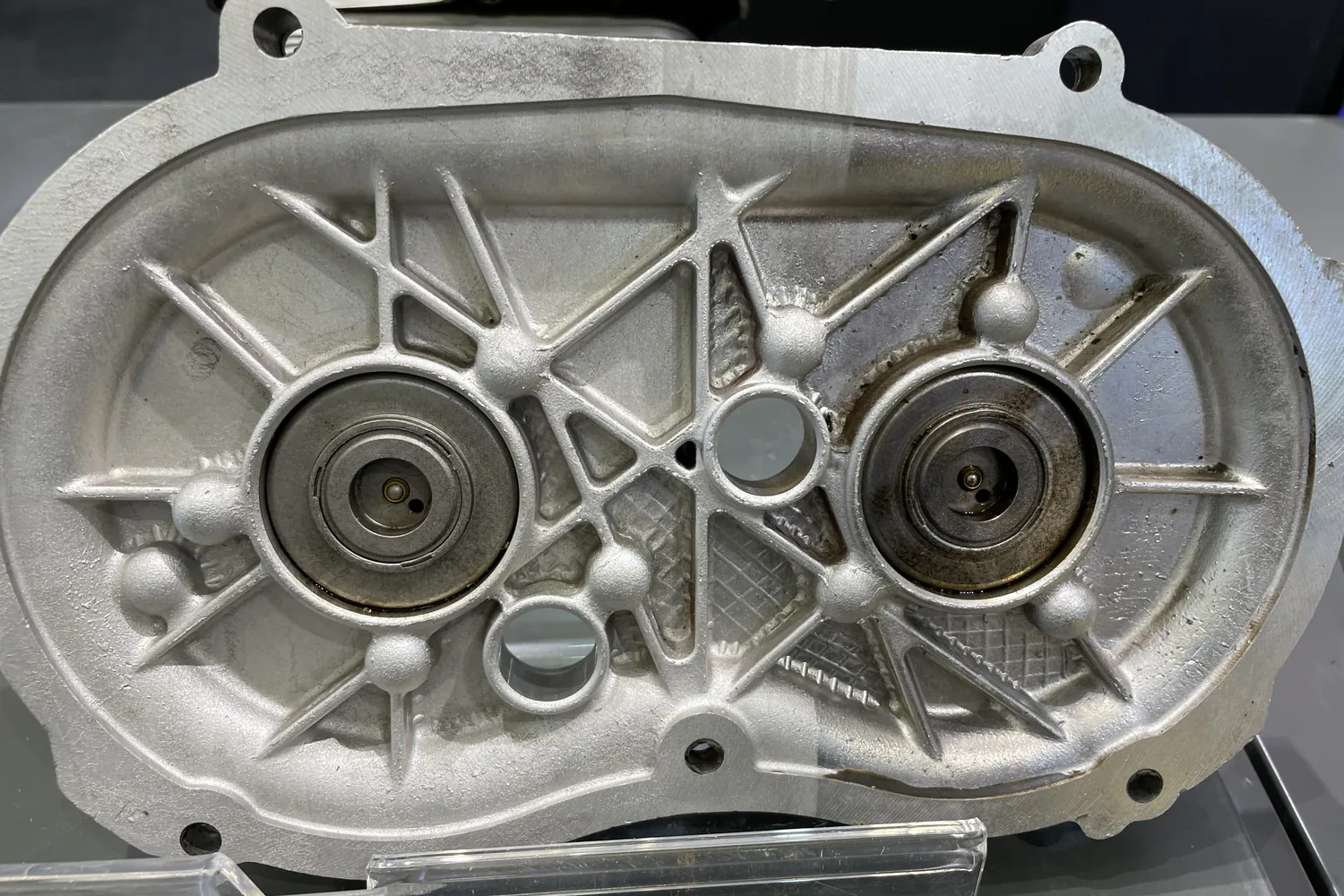
  • Machine componentsRust and paint off housings, guards and frames while the machine stays installed.
  • GearsLight rust and residue cleaned from gear teeth on drives that are not taken out.
  • Drive partsShafts and couplings cleaned in position during a repair or a scheduled stop.
  • Motor housingsPaint and corrosion removed from the housing surface ahead of inspection or repainting.
  • Pipe jointsOxide and paint cleared from joints and flanges along a pipe run; remote focusing reaches pipe walls and shaped parts.

Before-and-after photographs of these jobs: laser cleaning results

One Photo of the Part and Its Surroundings

Send the part, the layer and where the equipment stands. An engineer replies with the unit that fits.

Cleanup After the Job: No Media, No Solvent

Downtime on a maintenance job includes the work after cleaning.

After blasting

Grit and a tent to clear

  1. Recover grit from the machine
  2. Recover grit from the floor
  3. Take down the containment

After solvent cleaning

Chemical to remove

  1. Wipe the chemical off the part
  2. Dispose of the waste

After laser cleaning

Nothing to recover

  1. Remove the screens and the extractor
  2. Pack the unit
  3. Hand the equipment back

The beam is non-contact: the layer comes off as fume and fine particles, which the extractor collects while the operator works.

How laser compares with blasting, chemicals and grinding on site and in running cost: laser surface preparation for contractors

Service Rounds: Air Cooling, Remote Support and Laser Safety

What keeps a crew moving from one machine to the next, and what keeps the work area safe.

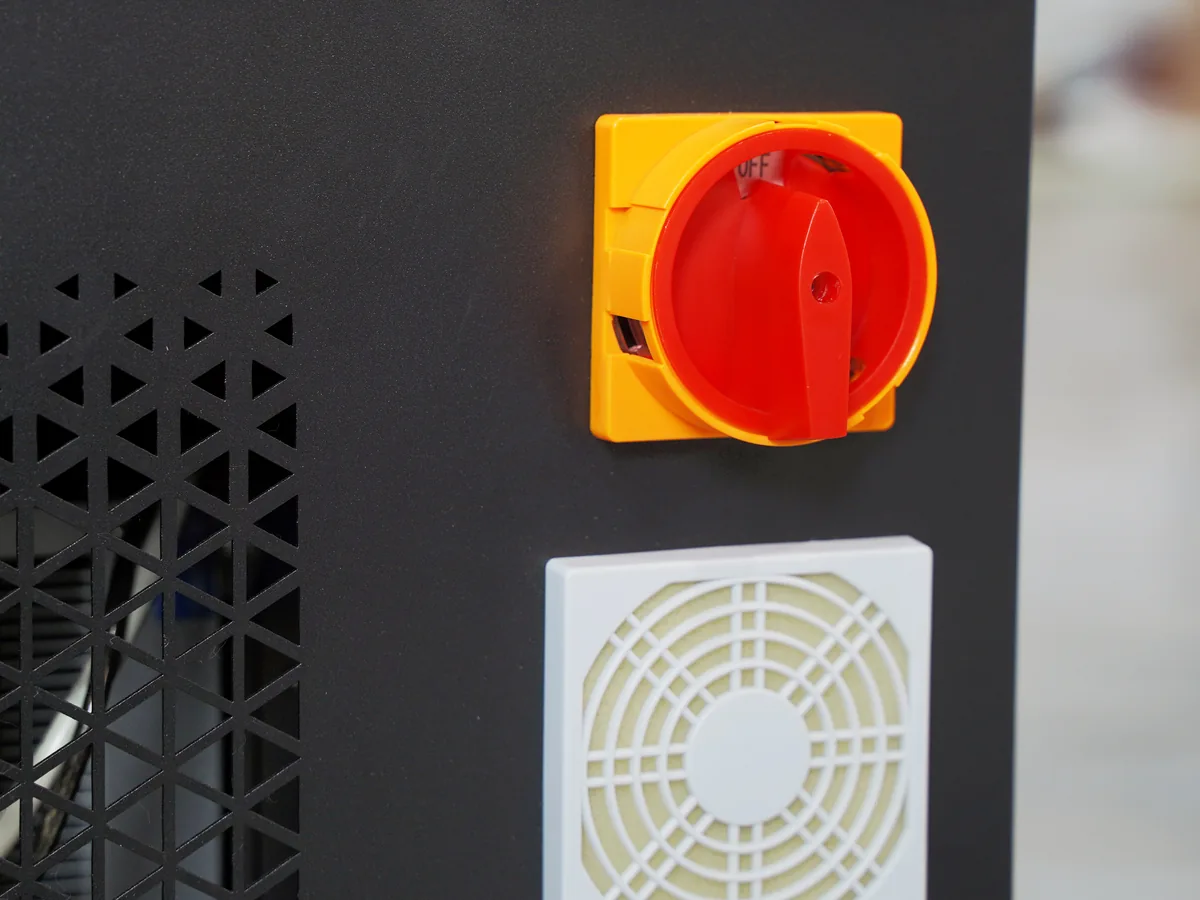
Air-cooled laser cleaner cabinet side with cooling vents, fan grille and main switch

Air cooling for service rounds

The backpack, the trolley case and the MW-LY cabinet are all air cooled. A crew sets up, cleans one machine, packs and moves on: the unit is ready to clean shortly after it is connected, with no water circuit to fill at each stop.

Operator setup and remote support

  • In the boxInstallation instructions, operating tutorials and maintenance videos.
  • Second opinion on a setting or faultOur engineers work with your team over video, starting from the equipment record we keep for your unit.
  • Training, routine care, spare partsSupport and maintenance
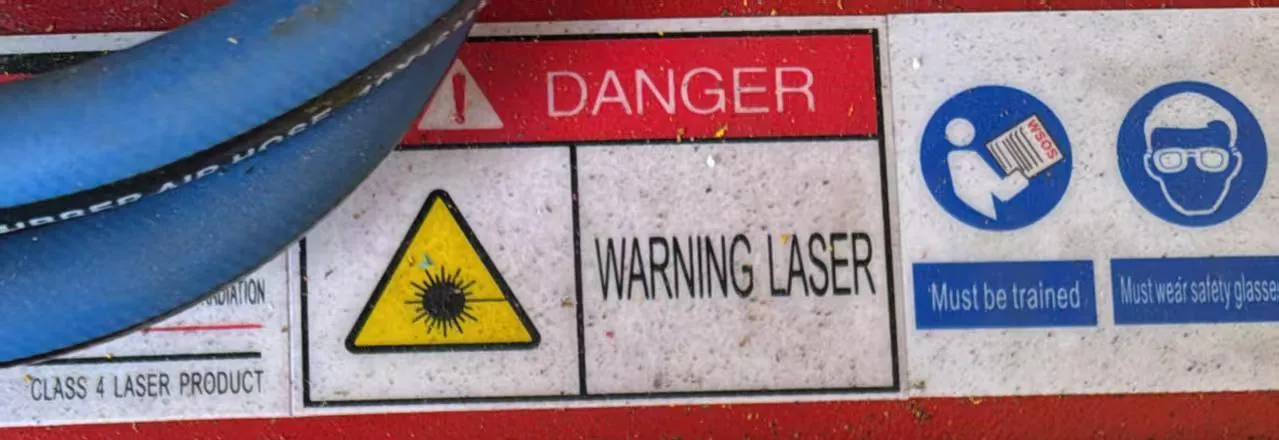
Class 4 laser warning and eye protection labels on a laser cleaning machine

Laser safety on maintenance jobs

All MAXWAVE lines are Class 4 laser equipment, so every job runs inside a marked laser area. People in the area wear laser eye protection; everyone else stays outside until the unit is switched off. The reflection screens and the extractor from the site check stay in place until the last pass.

Protective equipment and area setup

Get a Quote for Maintenance Laser Cleaning

An engineer replies with the unit that fits your maintenance work.

What to send

  • Equipment and parts your team cleans, and the layer on them.
  • Where the equipment stands and the supply available there.
  • Surface per typical job and your country.
  • A photo of the part with its surroundings.

Phone / WhatsApp: +86 15327155363 · Call